
What is an NFT? Exploring the World of Non-Fungible Tokens
In the rapidly evolving landscape of cryptocurrency and digital assets, NFTs have emerged as a revolutionary concept, captivating both artists and collectors alike. But what exactly are NFTs? In simple terms, Non-Fungible Tokens are unique digital assets verified using blockchain technology, differentiating them from cryptocurrencies like Bitcoin or Ethereum that are fungible. To put it into perspective, just as no two banknotes are exactly the same, NFTs serve as distinctive digital items that can represent ownership of art, music, memes, and even virtual real estate.
In this article, we will delve deeper into the world of NFTs, exploring their significance, functionality, and the potential they hold for various industries. We’ll also touch upon the growing popularity of NFTs in markets around the world, including significant insights on the Vietnamese market. So let’s break it down!
The Functionality of NFTs: How Do They Work?
NFTs are built on blockchain technology, chiefly on Ethereum, which allows for the creation of a unique identifier that proves ownership and authenticity. Unlike traditional cryptocurrencies, NFTs cannot be exchanged on a one-to-one basis; each token has its own unique metadata and attributes.
- Blockchain Verification: Every NFT is registered on a blockchain, ensuring its security and origin. This is akin to having a certificate of authenticity.
- Ownership Transfer: Buying an NFT means you own the digital asset permanently (unless sold). The transaction history is transparent and recorded on the blockchain.
- Smart Contracts: Most NFTs operate on smart contracts that automate the buying and selling processes, providing a trustless environment.
A fantastic example is the popular NFT marketplace OpenSea, which facilitates the buying, selling, and trading of digital art and collectibles.
The Role of NFTs in Digital Art and Gaming
The art world has seen a significant transformation with the advent of NFTs. Traditional art forms have often faced issues regarding provenance and valuation. NFTs provide a digital way to certify these attributes.
- Supporting Artists: Artists can now tokenize their work, reaching a global audience and retaining more profit compared to traditional means.
- Digital Collectibles: Games like Axie Infinity have integrated NFTs to create unique characters and items, driving a new era of gaming economy.
In Vietnam, the NFT market has mirrored this trend, where local artists are introducing their work on platforms like Rarible, experiencing a surge in interest among collectors.
Challenges and Criticisms of NFTs
Despite their growing popularity, NFTs are not without challenges. Critics have raised concerns regarding environmental impact, copyright issues, and market volatility.
- Energy Consumption: The process of minting NFTs requires significant computational power, contributing to a notable carbon footprint.
- Legal Issues: Copyright infringement can occur when one person mints an NFT of an artwork they do not own.
- Market Volatility: The NFT market is highly speculative, leading to dramatic price fluctuations.
In dealing with prospective buyers, it’s crucial to approach NFTs with caution and perform due diligence, especially if you’re new to crypto investments.
The Future of NFTs: What Lies Ahead?
As we look toward the future, the potential of NFTs appears promising. They are projected to grow in various sectors beyond just digital art. Use cases range from real estate transactions to securing intellectual property rights.
- Integration in eCommerce: Brands may start adopting NFTs to represent ownership or unique products.
- Event Ticketing: NFTs can be used to verify attendance, thus preventing counterfeiting.
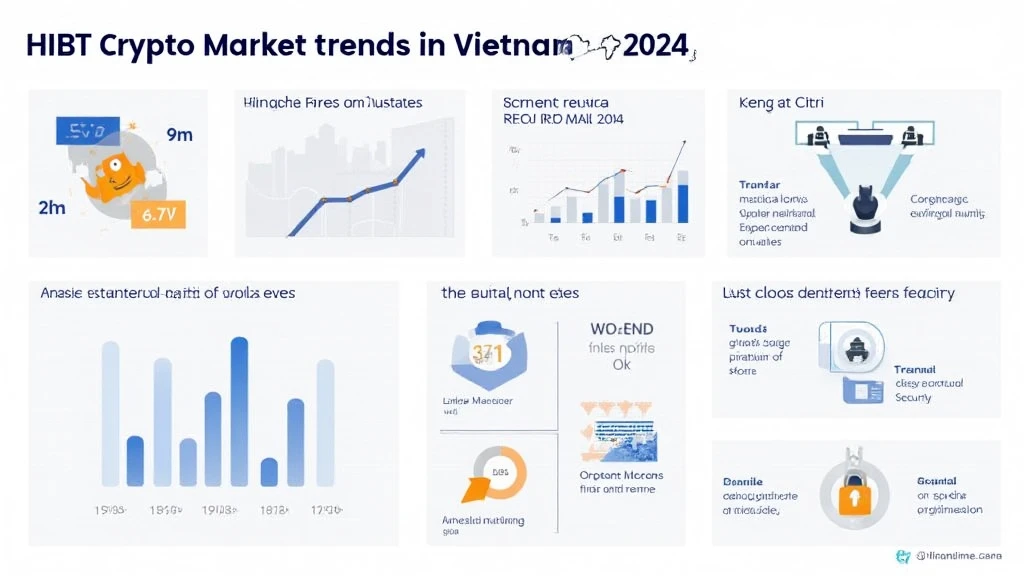
According to recent data, Vietnam’s digital asset market is rapidly growing, with an increase in users currently embracing these technologies. With a projected growth rate of 800% from 2024 to 2025, the interest in NFTs is likely to burgeon.
Navigating the NFT Space: Tips for Newcomers
If you’re interested in entering the NFT marketplace, here are some tips that could help:
- Research Thoroughly: Understand the NFT and the marketplace you choose.
- Engage with the Community: Platforms like Discord and Twitter can offer insights and connection with other NFT enthusiasts.
- Consider Security: Use secure wallets and consider hardware wallets for storing high-value NFTs.
As the saying goes, with great innovation comes great responsibility. Make informed choices in this dynamic and evolving space.
Conclusion
So, to answer the question, what is an NFT? They are unique digital assets defined by their individuality and verified through blockchain technology, reshaping ownership and creativity in the digital world.
The potential of NFTs extends beyond mere collectibles and into revolutionizing industries such as art, gaming, and eCommerce. As the Vietnamese market continues to grow and adapt with new technologies, NFTs will surely play a critical role amidst this evolution. Just remember, whether you’re an artist, collector, or investor, understanding the nuances of NFTs will empower you on this exciting journey.
For more information on digital assets and secure practices, visit hibt.com.
This exploration was brought to you by our expert in blockchain and digital assets, Dr. John Smith, who has authored over 15 papers on cryptocurrency security and led audits for notable projects like CryptoKitties.