
Smart Contracts Explained: The Future of Blockchain Development
In 2024, the decentralized finance (DeFi) sector witnessed a staggering loss of $4.1 billion due to hacks. This alarming figure illustrates the essential nature and vulnerabilities of smart contracts, the backbone technologies that power these platforms. So, what are smart contracts, and how do they work? In this article, we aim to break down the complexities of smart contracts and illustrate their immense value in the blockchain ecosystem.
Introduction to Smart Contracts
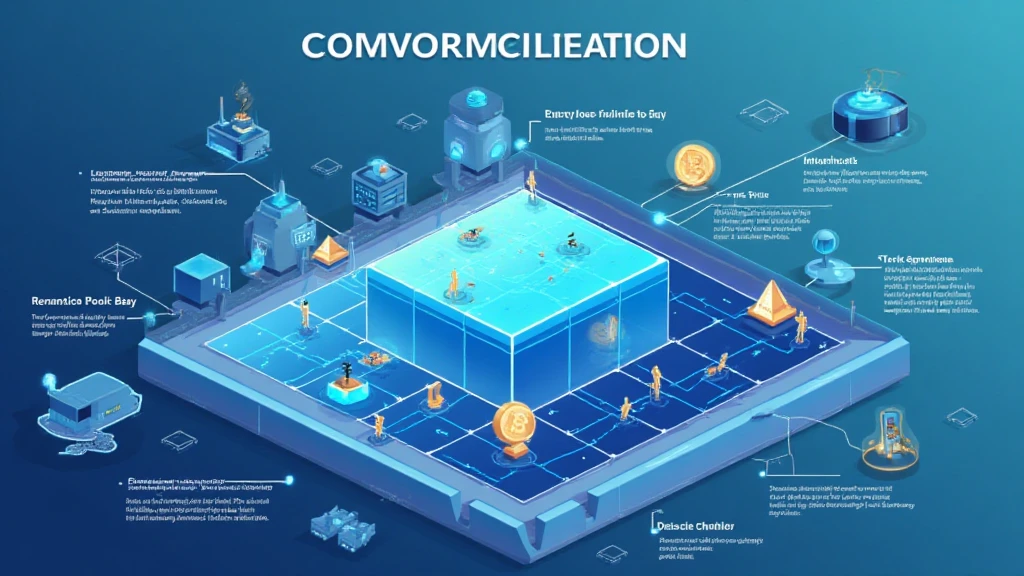
Smart contracts are self-executing contracts with the terms of the agreement directly written into lines of code. On a blockchain, they automatically enforce and execute transactions when predetermined conditions are met. This technology eliminates the need for intermediaries, reduces operational costs, and enhances efficiency.
For instance, imagine you’re involved in a real estate transaction. A traditional contract would require a notary and several parties to manage the deal. In stark contrast, a smart contract executes the agreement instantly and transparently on a blockchain, ensuring trust and security.

How Smart Contracts Work
Here’s how smart contracts function:
- Automation: Once deployed, smart contracts operate automatically based on the inputs provided.
- Transparency: Since all transactions are recorded on a blockchain, any party involved can verify the execution without the need for a third party.
- Immutability: Once a smart contract is created on a blockchain, it cannot be altered, ensuring all parties adhere to the agreed terms.
Benefits of Smart Contracts
Smart contracts are revolutionizing multiple industries. Here are some key benefits:
- Cost-Effective: By eliminating intermediaries, smart contracts significantly reduce transaction costs.
- Speed: Transactions happen quickly without human intervention, shortening administrative times remarkably.
- Enhanced Security: The cryptographic nature of blockchain ensures the data integrity of smart contracts, making them difficult to tamper with.
- Accessible Documentation: All terms are transparently documented on a blockchain, allowing for easy access and verification.
Use Cases of Smart Contracts
Smart contracts have diverse applications across various sectors. Here are some notable use cases:
- Supply Chain Management: Smart contracts facilitate tracking products through the supply chain in real time.
- Insurance: Automated claims processing can be performed using smart contracts, ensuring prompt payouts based on the event conditions met.
- Real Estate: Transactions can be managed seamlessly, reducing fraud risks and expediting deals.
- Finance: Automated and secure transactions, including loans and mortgages, can occur without traditional banking systems.
Challenges and Vulnerabilities
Even with the remarkable advantages of smart contracts, there are challenges:
- Code Vulnerabilities: Flaws in the coding can lead to substantial losses, such as the infamous DAO hack in 2016 that resulted in a $60 million theft.
- Legal Recognition: The legal framework surrounding smart contracts varies by jurisdiction, which can create uncertainty.
Local Market: Smart Contracts in Vietnam
Vietnam’s blockchain market is expanding rapidly, with an annual growth rate of approximately 37%. As the demand for decentralized applications (dApps) grows, understanding smart contracts becomes crucial.
According to recent studies, Vietnamese developers are actively seeking ways to implement smart contracts in various sectors, ranging from finance to supply chain management. The potential for utilizing smart contracts in emerging markets like Vietnam makes it an exciting area for future growth.
How to Audit Smart Contracts
Auditing smart contracts is vital for ensuring trust and security. Below are key steps involved in the audit process:
- Security Analysis: Conduct thorough analysis using static and dynamic analysis tools to detect vulnerabilities.
- Code Review: Manual examination of the code by experienced auditors to identify logical flaws.
- Testing: Utilize test cases to simulate different scenarios and validate contract behavior.
The Future of Smart Contracts
As we look ahead, smart contracts are poised to play a pivotal role in the future of blockchain technology. With continuous advancements in this field, we can expect enhanced security measures, improved code verification techniques, and broader legal acceptance.
By 2025, industries leveraging smart contracts are forecasted to grow exponentially, with blockchain-based platforms becoming more mainstream.
In conclusion, smart contracts represent a revolutionary concept in the world of blockchain technology. Understanding them is critical for anyone involved in the crypto space, and as developments continue, their importance will only increase. For those looking to explore further on topics like 2025’s most promising altcoins or how to audit smart contracts, be sure to check our comprehensive guides.
Each aspect of this technology provides incredible opportunities and insights into the future of transactions. Welcome to a new era shaped by smart contracts!
Author: Dr. Nam Nguyen, a blockchain expert with over 20 published papers and the lead auditor of various high-profile projects in the crypto space.