

Introduction
The world of cryptocurrency is rapidly evolving, with regulations and frameworks struggling to keep pace. In Vietnam, the crypto ecosystem is increasingly drawing attention, not only due to its potential but also because of the unique regulatory challenges faced by this emerging market. A pivotal initiative known as the Vietnam crypto regulatory sandbox has been established to navigate these turbulent waters. As of 2024, this sandbox is where innovative fintech solutions are tested under real market conditions while adhering to local laws. This landscape has become critical, especially in a region where internet penetration is over 70%, fostering a significant growth in users.
For crypto platforms looking to venture into Vietnam, understanding the nuances of this regulatory sandbox will be essential. It can offer a secure environment to trial new products without the immediate risk of full regulatory compliance, thus propelling business models forward. As Vietnam’s blockchain user base continues to rise, projected to reach over 20 million by 2025, the need for a safe framework for crypto innovation has never been clearer.
What is a Regulatory Sandbox?
A regulatory sandbox is a framework that allows fintech companies to conduct live experiments in a controlled environment under a regulator’s oversight. This concept originated in the UK and has been adopted globally, providing businesses with temporary adjustments to regulatory requirements to stimulate innovation.
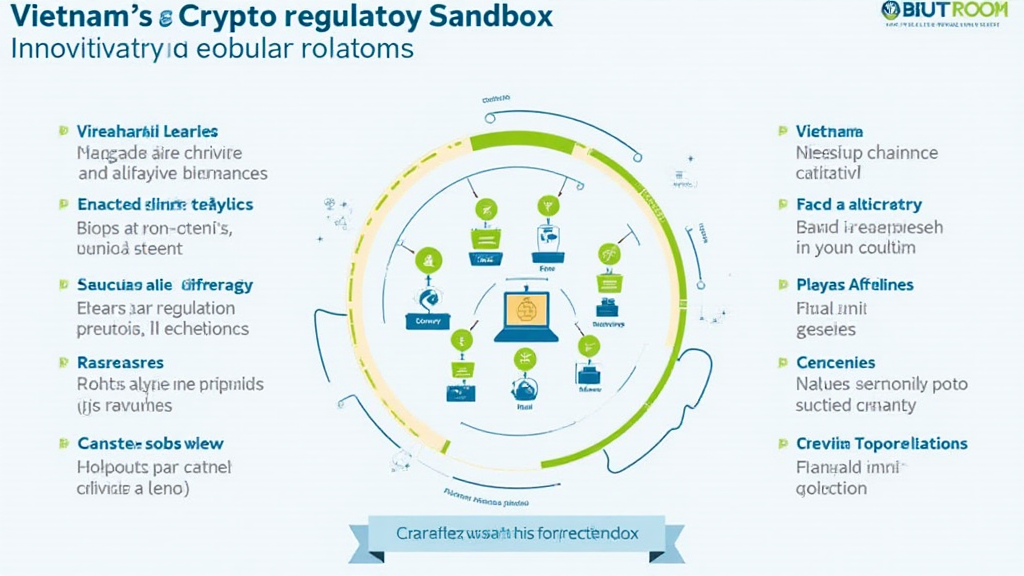
- Participants: Startups and companies interested in developing blockchain-related products.
- Objective: To balance innovation with consumer protection and financial stability.
- Flexibility: Companies can test products in controlled settings while regulators gather data and feedback.
Vietnam’s Approach to Crypto Regulation
Vietnam is taking a cautious yet progressive approach towards cryptocurrency regulation. The Vietnam crypto regulatory sandbox aims to address potential risks while promoting technological advancements. This initiative aligns with the government’s vision to transform Vietnam into a digital economy.
Key Features of the Regulatory Sandbox
Here are some key features that define the Vietnam crypto regulatory sandbox:
- Limited Duration: Projects are allowed to test their products for a specified period, typically up to 24 months.
- Controlled Testing: Solutions must meet specific criteria and are periodically reviewed by regulators.
- Consumer Protection: Measures to protect participants from fraud and potential losses during the testing phase.
Importance of the Vietnam Crypto Regulatory Sandbox
The sandbox plays a crucial role in empowering crypto innovators while ensuring a secure environment for participants and investors. Here are several reasons why its establishment is significant:
1. Fostering Innovation
Startups often face immense barriers to entry due to strict regulations. The sandbox lowers these barriers, allowing innovative products to reach the market faster. Companies can test concepts without the full weight of compliance concerns weighing down their development process.
2. Enhancing Consumer Trust
By creating a regulated environment, consumers can feel more confident in engaging with cryptocurrency services. The assurance of regulatory oversight helps to diminish fears surrounding volatility and fraud.
3. Facilitating International Collaboration
The sandbox encourages foreign investment and collaborations. As international players are more inclined to invest in a regulated space, Vietnam can attract global expertise and investment, enhancing its local market.
Steps to Participate in the Vietnam Crypto Regulatory Sandbox
For companies looking to enter the sandbox, a clearly defined process is in place. Here’s how it generally works:
- Application Submission: Firms must submit detailed proposals outlining their project, objectives, and regulatory compliance plans.
- Assessment: Proposed projects undergo thorough assessments by regulators to ensure they align with local laws and market needs.
- Testing Phase: Approved projects enter the sandbox for a limited duration to test their products under real-world conditions.
- Evaluation: Upon completion, products are evaluated based on user feedback and regulatory expectations.
Challenges Faced by Participants in the Sandbox
While the regulatory sandbox presents numerous opportunities, it is not without challenges. Participants may encounter:
- Limited Duration: The fixed test period may not be sufficient for complex projects needing extensive testing.
- Compliance Costs: There may be substantial costs in meeting initial compliance standards for participating in the sandbox.
- Market Acceptance: Gaining users’ trust in a new product can be challenging, especially if it involves innovative concepts that are unfamiliar to the market.
Conclusion: The Future of the Vietnam Crypto Regulatory Sandbox
As Vietnam continues to refine its approach to cryptocurrency regulation, the Vietnam crypto regulatory sandbox stands as a beacon of innovation and security. Companies fortunate enough to engage with this framework will not only contribute to Vietnam’s digital economy but will also pave the way for safer crypto adoption in the broader Southeast Asian region. With continuous user base growth and evolving needs in the digital asset market, the sandbox will play a pivotal role in shaping a balanced approach toward innovation and consumer protection.
As the landscape evolves, it’s vital for companies to remain agile, adapting quickly to changes in regulation and user expectations. Understanding local sentiment and compliance requirements will be key to unleashing the full potential of crypto innovations.
To stay informed on the latest regulations and practices, platforms should consult resources like hibt.com for insights and guidance. Remember, while innovation is crucial, ensuring safety and reliability is paramount in the ever-changing world of cryptocurrencies.
Author Bio
John Doe is a recognized blockchain researcher with over 15 published papers in the field. He has lead several well-known project audits and is widely regarded for his expertise in crypto regulations.