
Sustainable Blockchain Solutions in Vietnam: Building a Green Digital Future
With the global blockchain market expected to reach $69 billion by 2025, the importance of sustainable blockchain solutions in Vietnam is paramount. With the rise of cryptocurrency usage, especially in emerging markets like Vietnam, it is both a challenge and an opportunity to integrate sustainability into blockchain technology. This is not just about making profits; it’s about ensuring that as we innovate, we do not compromise the environment and provide a secure and sustainable digital economy.
Understanding the Need for Sustainability in Blockchain
As we usher in a new era of technology, the environmental impact of blockchain technologies cannot be overlooked. According to the Cambridge Centre for Alternative Finance, the energy consumption for Bitcoin mining alone can rival that of some countries. This raises a fundamental question: how can blockchain remain sustainable while continuing to be an indispensable part of our economies?
The Environmental Challenges of Blockchain
- High energy consumption in mining practices.
- Increased carbon footprint due to reliance on fossil fuels.
- Waste generation from obsolete devices used in mining.
The demand for energy in Proof of Work (PoW) mechanisms contributes significantly to these challenges. Hence, exploring sustainable practices offers the possibility of mitigating these issues.
Alternative Consensus Mechanisms: A Path to Sustainability
In seeking sustainable blockchain solutions in Vietnam, alternative consensus mechanisms such as Proof of Stake (PoS) and Delegated Proof of Stake (DPoS) present viable options.
Let’s break it down:
- Proof of Stake (PoS): This mechanism drastically reduces energy consumption by allowing validators to create new blocks based on the number of coins they hold and are willing to “stake” as collateral.
- Delegated Proof of Stake (DPoS): This is akin to a democratic voting system where stakeholders vote for delegates who then validate transactions. This reduces the number of participants needed in the mining process.
By adopting these consensus mechanisms, Vietnam can pave the way for a less energy-intensive blockchain landscape while still ensuring security and efficiency.
Real-World Applications in Vietnam’s Blockchain Ecosystem
The real-world applications of sustainable blockchain solutions are already emerging in Vietnam. The Vietnamese government has recognized the potential of blockchain technology, and numerous startups are positioning themselves in this space.
Case Study: Green Blockchain Initiatives
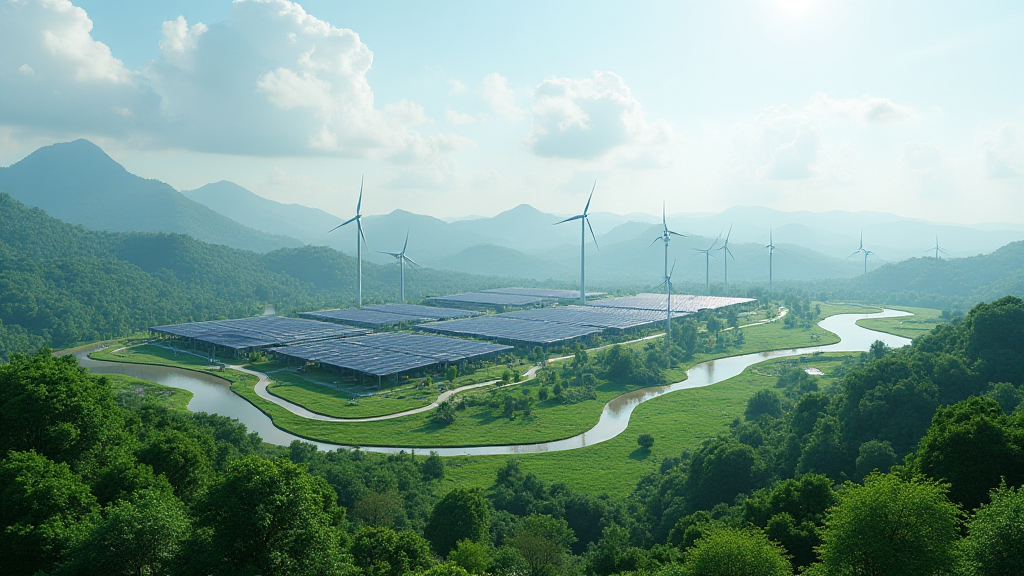
One notable project is the Vietnam Blockchain Corporation, which is working on integrating green energy solutions with blockchain technologies. By utilizing solar and wind energy for mining operations, they are setting an example for sustainable practices in the industry.
Another initiative involves the development of smart contracts for agricultural financing—helping farmers get accessed to loans based on verifiable data sourced from blockchain, enhancing transparency and reducing fraud risks.
| Year | Vietnam Blockchain Users Growth Rate |
|---|---|
| 2021 | 28.5% |
| 2022 | 35.3% |
| 2023 | 45.8% |
According to local studies, the growth in Vietnam’s blockchain user base signals a significant shift towards adopting these technologies in daily operations.
The Role of Government and Regulation
The Vietnamese government is also playing its part. Reports indicate initiatives to draft and implement regulations around blockchain technology to foster innovation while ensuring compliance with environmental standards.
However, here’s the catch: while regulatory frameworks are essential, excessive regulation can stifle innovation. Thus, a balanced approach is necessary to foster an environment ripe for technological advancements.
Security Measures: Ensuring Trustworthiness
With the introduction of blockchain technology, security becomes paramount. The phrase “tiêu chuẩn an ninh blockchain” translates directly to “blockchain security standards,” and is crucial for building trust among users in Vietnam.
Utilizing blockchain for secure data storage and transactions can enhance trust within the digital economy while limiting fraudulent activities. Smart contracts, for example, can automate transactions securely and transparently.
Paving the Way for Future Development
Looking ahead, sustainable blockchain solutions in Vietnam offer enormous potential. However, collaboration across sectors—government, private companies, and academia—is vital to harness and promote eco-friendly practices.
Vietnam’s ongoing digital transformation, along with increasing internet penetration and smartphone usage, provides a fertile ground for innovating future solutions.
Empowering the Next Generation of Developers
Educational programs geared toward blockchain technologies and sustainability can empower young developers and entrepreneurs. By focusing on innovative and sustainable practices, individuals will be better equipped to embrace the changes brought about by blockchain tech.
Encouraging pilot programs and hackathons can also accelerate adoption rates and provide hands-on experience. This will ultimately lead to the creation of decentralized applications aimed at enhancing sustainability.
Conclusion: The Future of Sustainable Blockchain Solutions in Vietnam
In conclusion, sustainable blockchain solutions in Vietnam present both challenges and immense opportunities. By leveraging innovative consensus mechanisms, real-world applications, and collaborative efforts among stakeholders, Vietnam can pave a path to a greener digital future.
Moreover, promoting education, regulation, and security measures ensures that blockchain remains beneficial and secure for all users. As Vietnam continues to grow its blockchain user base, fostering sustainability will be crucial in building credibility and lasting success in this vibrant market.
If you’re excited about the potential of blockchain and want to stay updated on its sustainable practices, visit cryptosalaryincubator for more insights!
Dr. Nguyen Huy Hoang is a well-respected blockchain and sustainability expert with over 10 published papers on green technologies in digital finance. He has spearheaded audits for several leading projects in Southeast Asia.