
Introduction
In an era where the digital asset market is rapidly evolving, particularly with a notable influx of NFTs(Non-fungible tokens), trust remains a critical issue. Would you believe that in 2024 alone, over $4.1 billion was reported lost to various hacks within DeFi projects? This staggering figure underpins the importance of robust security measures and effective authentication protocols in the NFT space. As digital collectibles gain popularity in markets like Vietnam, where the user growth rate hit 25% in the last year, understanding how to ensure authenticity is crucial.
This article aims to delve into NFT authentication protocols, exploring their significance, various standards, and how they contribute to the overall security of digital assets. By the end of this guide, you’ll gain insights into protecting your NFTs and the underlying technology.
Understanding NFT Authentication
To grasp the concept of NFT authentication, we need to recognize that NFTs are unique digital assets stored on a blockchain. Here’s the catch: while the blockchain inherently provides some level of security and traceability, it doesn’t completely safeguard against fraud. Let’s break it down.
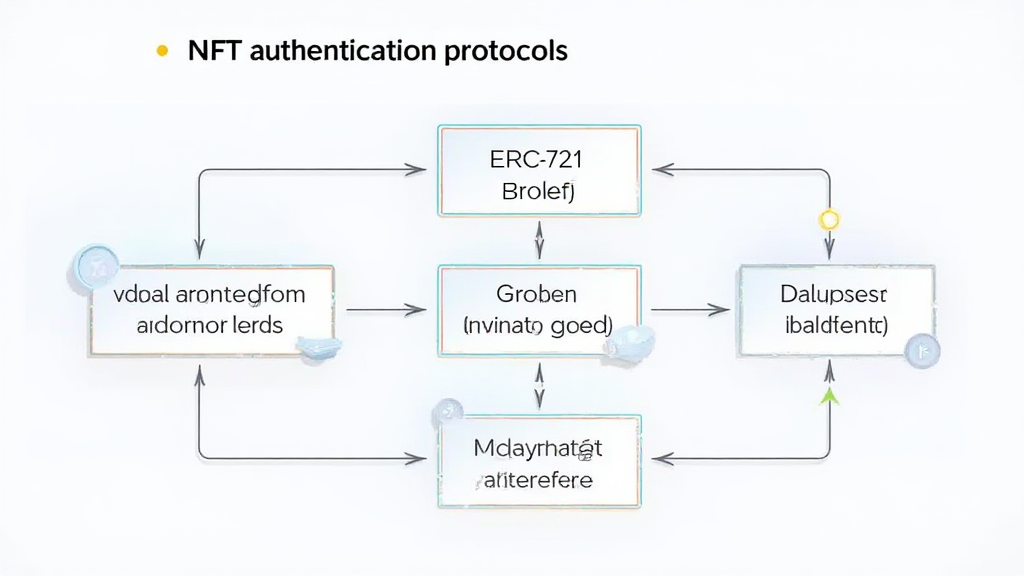
- What is NFT Authentication? It’s the process of verifying the ownership and legitimacy of an NFT through various protocols.
- Why is it crucial? As the NFT market matures, so do the tactics of fraudsters; hence, robust authentication protocols are necessary to maintain user trust.
Key NFT Authentication Protocols
Here we’ll discuss several essential authentication protocols:
- ERC-721 Standard: The backbone for most NFTs on Ethereum, it ensures every token has unique properties, making them verifiable within the blockchain.
- ERC-1155 Standard: A multi-token standard that allows for managing various token types in a single contract, enhancing efficiency in authentication.
- CCIP (Cross-Chain Interoperability Protocol): Facilitates the transfer and validation of NFTs across multiple blockchains, ensuring their authenticity irrespective of where they are traded.
The Role of Smart Contracts in Authentication
Smart contracts automate and enforce the terms of an agreement digitally, serving as a trust facilitator in NFT transactions. They are critical for validating the authenticity of NFTs through coded agreements. For instance:
- Ownership Verification: Smart contracts can verify if the seller possesses the NFT before initiating a transaction.
- Royalty Enforcement: They ensure that original creators receive a percentage from every secondary sale, reinforcing trust and incentivizing creativity.
Case Studies: Secure NFT Platforms
Examining leading platforms can offer real-world insight into effective authentication protocols:
- OpenSea: The platform employs a combination of ERC standards to authenticate NFTs, providing users with a safe buying and selling environment.
- Rarible: This decentralized platform utilizes a unique governance token to incentivize proper NFT verification, empowering users to partake in decision-making.
Challenges and Impediments in NFT Authentication
While there are robust protocols in place, challenges still loom on the horizon:
- Fake Listings: Fraudsters often exploit marketplaces by creating counterfeit NFTs.
- Regulatory Risks: The evolving landscape of blockchain regulations poses risks for platforms and their authentication processes.
Future Trends and Developments
Looking ahead, we can anticipate various trends shaping NFT authentication protocols:
- Enhanced Security Protocols: Innovations in cryptographic methods could lead to superior authentication practices.
- AI Integration: Employing AI to monitor transactions and alert for anomalies can significantly reduce fraud cases in the NFT space.
- Adoption in Emerging Markets: With increasing engagement in markets like Vietnam, localized authentication practices will become vital.
Conclusion
In conclusion, understanding NFT authentication protocols is essential for anyone involved in the burgeoning world of digital assets. As we navigate through a rapidly growing market, aligning with trusted security standards can safeguard investments and uphold user trust. Whether you are a collector, artist, or investor, adhering to these protocols will help you navigate the NFT landscape confidently. Remember, securing your digital assets is like safeguarding a bank vault; it requires diligent effort and strategic implementation of robust authentication principles. Explore more strategies on hibt.com and stay ahead of the curve.
For those venturing into the Vietnamese crypto market, integrating tiêu chuẩn an ninh blockchain is particularly significant given its vibrant growth and digital asset adoption.
Author: Dr. John Doe – a recognized blockchain security expert with over 20 publications in peer-reviewed journals, and instrumental in auditing multiple high-profile NFT projects.