
Introduction: The Rise of NFTs and the Importance of Provenance
In 2024, the global market for NFTs reached an astonishing $25 billion, highlighting the explosive growth of digital assets. With this growth comes a critical need for transparency and trust. This is where NFT provenance tracking steps in, ensuring that each digital asset has a verifiable history and authenticity. As the NFT space continues to attract investors and creators, understanding provenance becomes essential to safeguarding investments and maintaining the integrity of art, collectibles, and other digital items.
What is NFT Provenance Tracking?
NFT provenance tracking refers to the process of tracing the history of ownership and authenticity of a non-fungible token. This is crucial because, unlike physical assets, NFTs are stored digitally and can easily be replicated. Provenance tracking works similarly to how art dealers authenticate an artwork before a sale, providing a transparent ledger of ownership that buyers and collectors can trust.
Understanding Blockchain Technology
To truly understand NFT provenance tracking, we must first explore the underlying technology: blockchain. Blockchains operate as decentralized ledgers that record transactions across multiple computers. Each transaction becomes a block that is linked to the previous one, forming a chain. This structure not only enhances security but also ensures that information is immutable.
The Importance of Provenance in the NFT Market
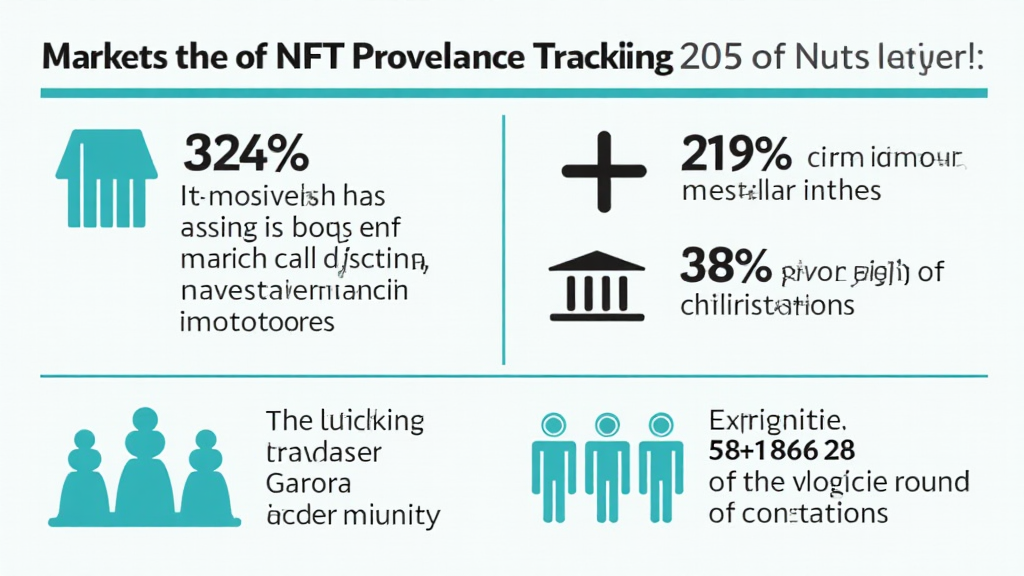
- Value Preservation: Provenance directly impacts the value of an NFT. Without proper tracking, an asset’s value is questionable.
- Trust and Transparency: Buyers want assurance that the NFTs they purchase are legitimate and not stolen or forged.
- Legal Protection: Provenance can help establish ownership rights, providing legal protection against fraud.
How NFT Provenance Tracking Works
At its core, NFT provenance tracking utilizes metadata associated with the token when it is created. Each time an NFT is bought or sold, the transaction is recorded on the blockchain, creating an indelible history. Key components include:
- Smart Contracts: Self-executing contracts with the agreement directly written into code. They automate processes in NFT transactions.
- Transaction Records: Every transaction is stored on the blockchain, creating a full history of ownership.
- Digital Signatures: Unique cryptographic signatures ensure that the data cannot be altered without authorization.
Real-World Applications of NFT Provenance Tracking
The utility of NFT provenance tracking extends beyond art and collectibles. Here are some notable applications:
Art and Collectibles
In the art world, provenance tracking reassures buyers that they are acquiring genuine pieces. This has become increasingly vital as digital art gains popularity, similar to how traditional art is authenticated by galleries and auction houses.
Gaming Items
In the gaming industry, developers use NFTs to represent in-game assets like skins or weapons. Provenance tracking helps verify rarity, ownership, and authenticity, enhancing player trust and value perception.
Virtual Real Estate
As virtual worlds like Decentraland grow, tracking the provenance of virtual land sales ensures that buyers know they are investing in legitimate properties, similar to how traditional real estate operates.
The Geographical Perspective: Vietnam and the NFT Market Growth
In Vietnam, the NFT market is witnessing a sharp rise, with a reported 50% increase in engagement among local artists and collectors in 2024. This growth mirrors a broader trend where Southeast Asia is becoming a hotspot for digital asset innovations.
Vietnamese Adoption of NFTs
Vietnam’s burgeoning digital economy is attracting interest in NFTs, with many platforms facilitating the sale of digital art and collectibles. Provenance tracking enhances trust, which is crucial in this rapidly evolving market. As a result, local NFT marketplaces are incorporating robust tracking methods to cater to local and international buyers.
Future Implications for Vietnamese Users
As NFTs continue to evolve, Vietnamese users will also benefit from enhanced provenance tracking systems that aim to protect their investments. This can lead to a stronger ecosystem, promoting more artists to enter the NFT space.
Challenges in NFT Provenance Tracking
Despite its advantages, NFT provenance tracking is not without challenges:
- Scalability: As the NFT market grows, so will the amount of data that needs tracking, posing scalability challenges.
- Interoperability: Different blockchains may have variations in how they handle provenance, complicating the cross-chain tracking of NFTs.
- Regulatory Issues: As governments outline regulations for digital assets, compliance with these regulations can create hurdles.
The Path Forward: Enhancing NFT Provenance Tracking
To address the challenges posed by NFT provenance tracking, several strategies can be implemented:
- Standardization: Establishing industry standards for digital assets can help improve consistency in provenance tracking.
- Cross-Chain Solutions: Developing tools that facilitate the interoperability of NFTs across different blockchains can simplify provenance tracking.
- Improved User Education: Educating users about the importance of provenance and how to verify it can help bolster trust in the market.
Conclusion: The Future of NFT Provenance Tracking
NFT provenance tracking is paving the way for a more trustworthy digital asset market. By ensuring that buyers can trace the history and authenticity of their collectibles, the NFT ecosystem is set to expand and mature. As the market grows, particularly in regions like Vietnam, the emphasis on secure and transparent provenance tracking will only become more significant.
For anyone venturing into the world of NFTs, understanding and prioritizing provenance tracking is essential. In this evolving landscape, trustworthy platforms and robust tracking tools will lead to a more vibrant and secure digital ownership experience.
To learn more about how NFT provenance tracking is changing the landscape of digital ownership, explore our resources at cryptosalaryincubator.
Author: Dr. Alan Tran, a blockchain technology expert with over 15 published papers and a leading figure in numerous digital security projects.