

Introduction
In the fast-evolving landscape of cryptocurrency, understanding the nuances of Tokenomics analysis has never been more crucial. With over $4.1 billion lost to DeFi hacks in 2024, investors today must navigate a treacherous market and make informed decisions. What drives the value of cryptocurrencies? How can one assess the sustainability and profitability of digital assets? This article dives into the key factors of Tokenomics, offering a detailed analysis that every investor should know as they explore the vibrant world of digital currencies.
What is Tokenomics?
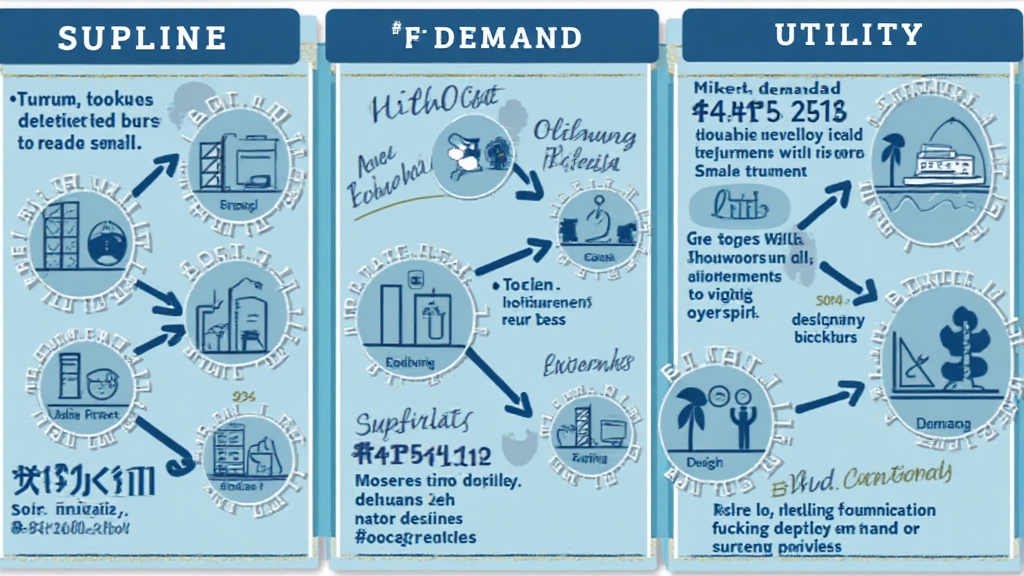
Tokenomics combines the words “token” and “economics” and refers to the study of the economic aspects of tokens in the blockchain ecosystem. Understanding Tokenomics includes analyzing supply, demand, distribution, and the overall utility of a token within its ecosystem.
- Supply: The total number of tokens available and the mechanism through which new tokens enter circulation.
- Demand: Factors that increase the desire for tokens, such as usage within applications or trading.
- Utility: The functions a token serves within its ecosystem, affecting value and user engagement.
Importance of Tokenomics in Cryptocurrency Investing
Investing in cryptocurrencies requires a comprehensive understanding of Tokenomics. Here’s why it matters:
- Tokenomics provides insights into the sustainability and potential of a token.
- A well-planned token economy indicates lower volatility and enhances investor confidence.
- A strong Tokenomics model can attract more users and developers, driving value.
Analyzing Market Demand
One of the most critical components of Tokenomics is market demand. To illustrate, let’s draw a parallel with the traditional market: consider a limited edition art piece. The more people want it, the higher its value; similar dynamics apply to cryptocurrencies. By examining user engagement and transaction volumes, we can gauge demand:
- Compare transaction volumes month over month.
- Assess user interactions with decentralized applications (dApps) using the token.
Key Components of Tokenomics Analysis
The analysis of Tokenomics involves several key elements, including:
- Token Supply: Fixed vs. inflationary supply models and their long-term implications.
- Distribution Mechanisms: Initial Coin Offerings (ICOs), airdrops, and mining rewards.
- Utility and Functionality: Use cases within the platform to ensure tokens aren’t just speculative assets.
- Incentives: Encouraging user participation through staking, governance, and liquidity incentives.
Bridging Theory and Practice: Real-World Examples
To help concretize the concepts discussed, let’s analyze some successful projects:
- Ethereum (ETH): As a platform for smart contracts, ETH’s demand is driven by the number of dApps being built.
- Binance Coin (BNB): BNB’s utility in trading fee discounts on Binance Exchange has increased its adoption and price stability.
2025 and Beyond: Predictions for Tokenomics
As we look ahead, Tokenomics will continue to evolve, especially in the context of a burgeoning market. With a user growth rate in Vietnam projected to exceed 30% by 2025, understanding local demand dynamics will be key…
Traditional Finance vs. Cryptographic Tokenomics
Let’s break it down further. Traditional finance relies on physical assets and regulations, while cryptocurrency relies on the decentralized nature of blockchain. This brings unique challenges and opportunities:
- Reduced need for intermediaries.
- Enhanced global reach, especially in underbanked regions.
As education grows around blockchain technology, users are becoming savvier in their investments.
Potential Pitfalls of Inadequate Tokenomics
Investors must also be aware of the potential pitfalls of poor Tokenomics:
- High inflation rates can degrade value.
- Limited use cases can stagnate interest and lead to price drops.
Staying Ahead of the Curve
Joining forums and communities to discuss tokenomics can provide valuable insights into emerging trends. Websites like hibt.com offer resources to better understand these dynamics.
Conclusion
As cryptocurrency continues to integrate further into our financial systems, engaging in thorough Tokenomics analysis will be imperative for investors looking to succeed. By understanding the supply, demand, and utility of tokens, you can mitigate risks, find opportunities, and confidently engage with emerging markets, including the rapidly growing Vietnamese market where interest is on the rise.
In summary, Tokenomics not only informs your investment strategy but also empowers you as a participant in the evolving blockchain space. For more insightful resources on cryptocurrency, feel free to visit cryptosalaryincubator.
Written by John Doe, a renowned blockchain researcher with over 15 published papers in the field, and a lead auditor for several high-profile projects.