
Introduction
In the ever-evolving landscape of cryptocurrency and blockchain technology, NFT collective ownership has emerged as a groundbreaking concept, allowing individuals to collaboratively own, manage, and trade unique digital assets. But why should you care? A staggering $4.1 billion was lost to DeFi hacks in 2024 alone, highlighting the urgent need for secure and innovative asset management solutions. Through collective ownership, NFT enthusiasts can not only mitigate risks but also enhance the value of their digital portfolios.
The Appeal of NFT Collective Ownership
At its core, NFT collective ownership democratizes the digital art market. Traditionally, ownership of valuable artworks remained in the hands of a privileged few, but NFTs have leveled the playing ground. Here’s how:
- Shared investment: Collective ownership allows multiple investors to pool resources, making high-value NFTs accessible to more people.
- Community-driven success: The value of an NFT often derives from community engagement and support, meaning collective ownership can drive appreciation in value.
- Reduced risks: By sharing ownership, individuals reduce their personal financial risk while benefiting from potential appreciation.
What is NFT Collective Ownership?
NFT collective ownership refers to the model where multiple individuals share ownership of a single NFT. This is facilitated through smart contracts, where a digital token represents each owner’s share of the NFT, allowing secure and transparent transactions. By using blockchain technology, each transaction is permanently recorded, providing confidence in ownership and provenance.
Understanding the Mechanics
In traditional ownership, possessing an asset meant paying its full price upfront. Collective ownership allows for fractional ownership. Let’s break down how this works:
- Fractionalization: The NFT is divided into smaller, tradeable units that can be bought and sold individually.
- Smart contracts: These are self-executing contracts with the agreement directly written into lines of code, ensuring transparency and trust among owners.
- Marketplace integration: Fractional NFTs can be traded on platforms that support collective asset ownership.
Real-World Examples
Let’s look at a few successful implementations of NFT collective ownership:
- Fractional.art: Allows users to purchase fractions of NFTs, making high-value art more accessible.
- CurioInvest: A platform that allows users to collectively invest in rare cars as NFTs, showcasing real-world assets.
The Benefits of NFT Collective Ownership
Why should you consider participating in this new paradigm?
- Affordability: Collective ownership reduces individual financial barriers.
- Community collaboration: Pooling resources fosters connections and shared interests among collectors.
- Investment diversification: Enables smaller investors to engage in multiple digital assets rather than a single, large investment.
The Challenges Ahead
While the potential of NFT collective ownership is immense, certain challenges need addressing:
- Legal frameworks: The legal status of fractional NFTs is still under debate in many jurisdictions.
- Market volatility: NFT markets can be highly speculative; therefore, price stability is a concern.
- Technological barriers: Not all potential investors may be comfortable navigating blockchain technology.
Navigating the Vietnam Market
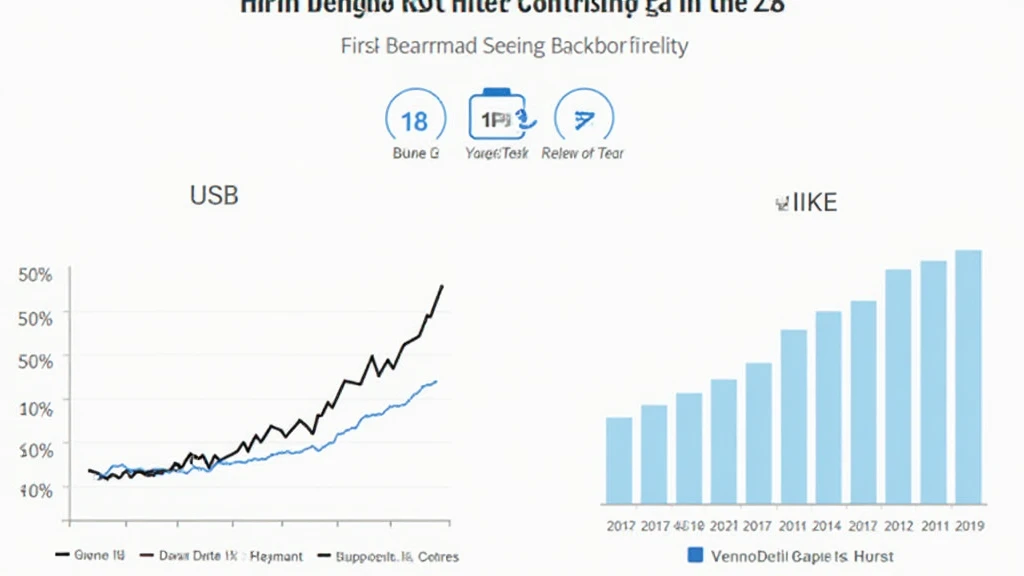
Vietnam is experiencing a notable surge in interest in decentralized finance (DeFi) and NFTs. According to recent reports, the number of cryptocurrency users in Vietnam grew by 64% from 2022 to 2023. This rapid growth presents an exciting opportunity for pioneering NFT collective ownership initiatives.
Localized Understanding of NFT Collective Ownership
Vietnamese investors are increasingly looking for innovative investment options. The concept of tiêu chuẩn an ninh blockchain is crucial here, as it assures them that their assets are safe. By leveraging local knowledge, collective ownership can be tailor-made to fit Vietnam’s unique market dynamics.
Future Trends in NFT Collective Ownership
Looking towards the future, we can anticipate several trends impacting NFT collective ownership:
- Increased regulation: As governments worldwide contemplate regulations, the legal landscape surrounding NFTs will become more defined.
- Technological advancements: The rise of enhanced blockchain solutions like layer-2 technologies will improve transaction speed and lower costs.
- Integration with traditional finance: Bridging the gap between digital and traditional asset classes will enable robust investment opportunities.
Conclusion
NFT collective ownership represents a transformative shift in how we think about digital asset management. By pooling resources, investors can engage with high-value digital assets while mitigating risks. As we navigate these changes, it’s essential to stay informed about emerging trends, regulatory developments, and technological advancements. Aspects like security standards (tiêu chuẩn an ninh blockchain) will play a critical role in shaping this landscape. With the increase in interest from markets like Vietnam, the future of NFT collective ownership appears bright.
For further insights on cryptocurrency and sophisticated investment approaches, visit cryptosalaryincubator.
—
Author: Dr. Alex Nguyen
A blockchain technology expert with over 10 publications in the field and has led several well-known project audits.