
Introduction
In recent years, blockchain technology has seen a tremendous rise, with its applications expanding beyond traditional cryptocurrencies. One striking trend is the emergence of modular blockchains, which are designed to be flexible and scalable, adapting to various use cases. In Vietnam, a country rapidly embracing technological advancements, the potential of modular blockchain is being explored across different sectors. With Vietnam’s blockchain market growing at an estimated annual rate of 70%, it’s crucial to examine how these technologies can redefine industries.
What is Modular Blockchain?
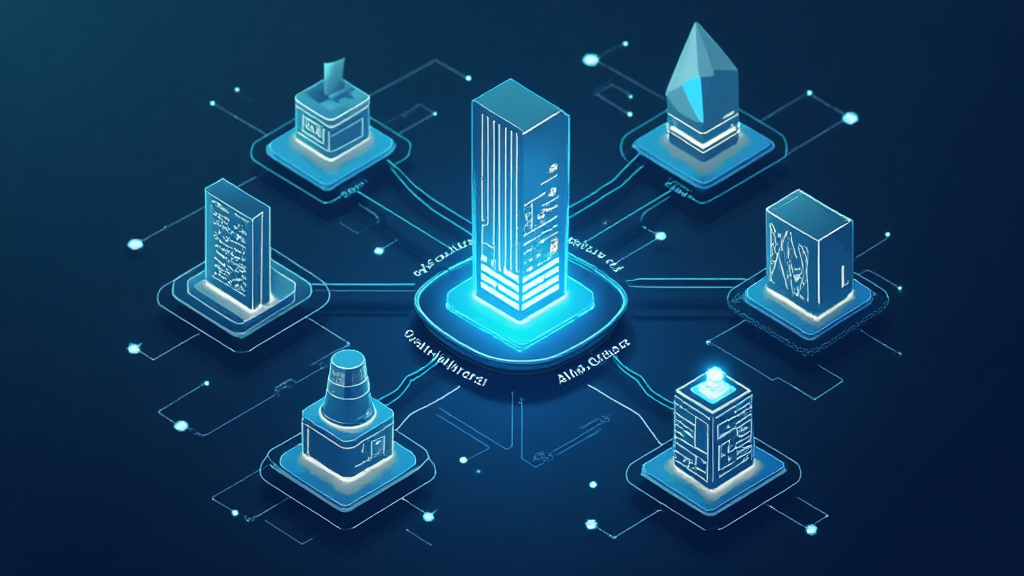
Modular blockchain is a design that separates different layers of blockchain functionality, which can include consensus mechanisms, data availability, and execution. This separation allows developers to customize their blockchains depending on their needs, leading to greater efficiency and scalability. Think of it like assembling a Lego set; you can build various structures with the same blocks depending on your creativity and requirements.
Key Components of Modular Blockchain
- Execution Layer: Where smart contracts are executed.
- Consensus Layer: Governs how transactions are confirmed.
- Data Availability Layer: Ensures all necessary data is accessible for validation.
Benefits for Vietnam’s Market
Vietnam’s unique socio-economic landscape provides fertile ground for modular blockchain applications. Here are some distinct benefits:
- Increased Scalability: Modular blockchains can handle a growing number of transactions, essential for countries like Vietnam, where digital adoption is surging.
- Cost Efficiency: By separating layers, organizations can optimize costs, making blockchain solutions more accessible to SMEs.
- Enhanced Security: Tailoring security protocols to specific applications can improve overall system resilience, crucial for sectors with sensitive data.
Use Cases of Modular Blockchain in Vietnam
As we delve deeper, let’s explore some emerging use cases for modular blockchain technology in Vietnam, revealing potential transformations across various sectors:
1. Supply Chain Management
The agricultural sector in Vietnam can benefit immensely from modular blockchain solutions. By implementing a modular supply chain blockchain, stakeholders can trace products from farm to table. This ensures accountability and quality control, which is paramount in an economy heavily reliant on agriculture.
2. Financial Services
Vietnam’s financial ecosystem is evolving, with a considerable young population open to digital transactions. Modular blockchain can facilitate decentralized finance (DeFi) by providing customized financial products, enabling greater inclusion and better access to financial services for the underbanked.
3. Digital Identity Verification
In a country with a growing online marketplace, ensuring secure digital identity is vital. Modular blockchains can create a reliable framework for digital identity verification, streamlining processes for e-commerce platforms and enhancing user trust.
4. E-Government Services
As Vietnam pushes for digital transformation, modular blockchains can support government services digitization. They can be used for secure record-keeping, land registration, and public service delivery, improving transparency and reducing corruption.
5. Healthcare Data Management
The healthcare sector can leverage modular blockchain for secure patient data storage and sharing. By utilizing these technologies, hospitals and clinics can ensure patient confidentiality while streamlining operations and reducing redundant paperwork.
Challenges and Considerations
While the advantages of modular blockchain are compelling, there are challenges to consider:
- Regulatory Hurdles: Navigating legal frameworks can be complicated, particularly in a country like Vietnam, which is still formulating its blockchain regulations.
- Technological Adaptation: Existing systems must adapt to integrate modular blockchains effectively, which could involve substantial investment.
- Education and Awareness: Ensuring that businesses understand modular blockchain technology’s benefits and functionalities is crucial for widespread adoption.
Future of Modular Blockchain in Vietnam
Looking ahead, the future of modular blockchain in Vietnam appears promising. Given the government’s commitment to technology-driven growth and innovation, we can expect to see an increase in research and development aimed at blockchain solutions. With strategic partnerships between local startups and established tech giants, Vietnam could position itself as a leader in blockchain innovation in Southeast Asia.
Final Thoughts
Modular blockchain holds significant potential for transforming various sectors in Vietnam, from supply chains to government services. As we continue to witness rapid technological evolution, the key to success will be collaboration between stakeholders, investment in education, and fostering an environment conducive to innovation. With Vietnam aiming to become a regional tech hub, leveraging modular blockchain effectively can pave the way for unprecedented growth.
For more insights on implementing blockchain solutions, visit hibt.com.
Note: This article does not constitute financial advice. Always consult local regulations before proceeding.
Write by Dr. Le Hoang, an expert in blockchain technology with extensive experience auditing several prominent projects and authoring over 25 research papers in the field.