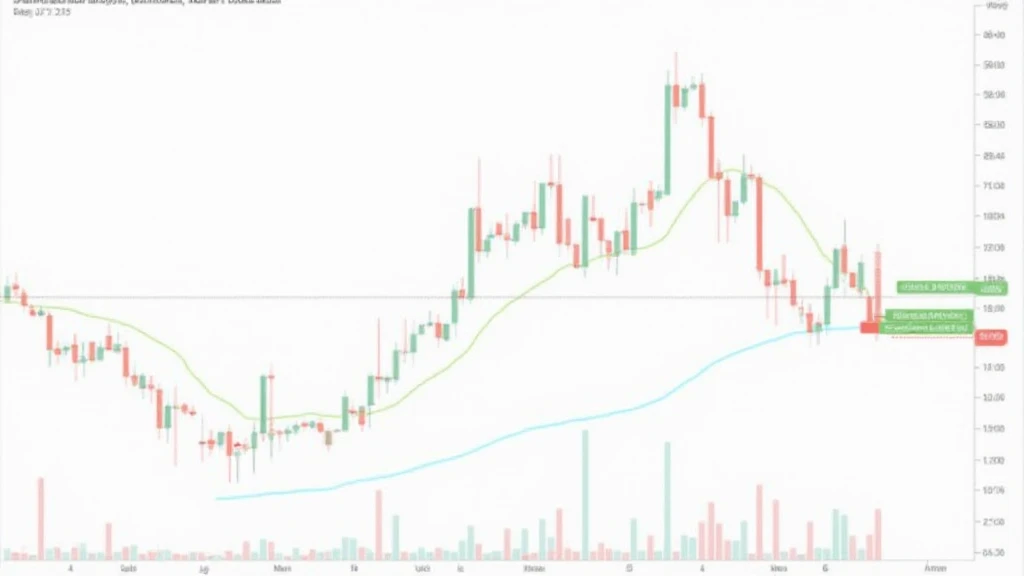

Uniswap Liquidity Pool Guide 2025
With the rise of decentralized finance (DeFi) and an estimated $4.1 billion lost to hacks in 2024, understanding how to participate in liquidity pools has never been more critical. Uniswap, one of the leading decentralized exchanges, offers liquidity providers the chance to earn fees by supplying tokens to pools. This guide will help you navigate Uniswap’s liquidity pools in 2025, ensuring you make informed decisions to maximize your DeFi earnings.
What is a Liquidity Pool?
A liquidity pool is a collection of funds locked in a smart contract that facilitates trading by providing liquidity. Think of it like a bank vault for digital assets, where users deposit their tokens to ensure that others can trade without significant price slippage. The more tokens a pool holds, the less influence a large trade has on the price of the asset.
This concept is fundamental in DeFi, allowing peer-to-peer transactions without intermediaries.

The Importance of Uniswap in the DeFi Ecosystem
Uniswap has revolutionized the way cryptocurrencies are traded. Unlike traditional exchanges, it does not rely on order books; instead, it uses automated market-making (AMM). This method allows liquidity pools to set prices based on the ratio of tokens in the pool. According to a report by Chainalysis, Uniswap accounted for a significant percentage of all token trades in 2024, showcasing its dominance in the market.
Benefits of Providing Liquidity
- Earn Fees: Liquidity providers earn a portion of the trading fees generated whenever a trade occurs.
- Token Appreciation: If the tokens you provide increase in value, so does your investment.
- Diversification: You can provide liquidity to multiple pools, spreading risk across different assets.
How to Participate in Uniswap Liquidity Pools
Participating in Uniswap’s liquidity pools is straightforward. Here’s a step-by-step approach:
- Connect Your Wallet: Use a Web3 wallet like MetaMask to connect to the Uniswap interface.
- Select a Pool: Choose a trading pair where you want to provide liquidity. Research is key; consider factors like liquidity, volatility, and potential growth.
- Deposit Tokens: Usually, you’ll need to deposit equal values of both tokens in the trading pair.
- Receive LP Tokens: After depositing, you will receive Uniswap’s liquidity provider tokens (LP tokens), which represent your share in the pool.
Understanding Impermanent Loss
One of the main risks of providing liquidity is impermanent loss, which occurs when you deposit tokens in a liquidity pool, and their price diverges significantly from when you deposited them. For example, if you provided liquidity for ETH/USDC and ETH’s price soared, withdrawing your liquidity would result in fewer ETH than you initially deposited at the new price.
In 2025, managing impermanent loss will be essential, especially given the volatility in the crypto market. Tools like Impermanent Loss Calculators can help you gauge potential losses and make better-informed decisions.
Strategies to Mitigate Risks
- Choose Stable Pairs: Pairing stablecoins can reduce exposure to impermanent loss.
- Diversify Pools: Spread your assets across multiple pools to minimize risk.
- Regular Monitoring: Keep an eye on market trends and adjust your liquidity positions as needed.
Future Trends for Uniswap in 2025
As we approach 2025, several trends in the DeFi ecosystem will influence your liquidity provision strategies:
- Increased Regulation: Governments are drafting regulations for DeFi platforms. Being proactive can help you stay compliant.
- Layer 2 Solutions: With the rise of Layer 2 solutions like Optimism and Arbitrum, users can expect lower fees and faster transactions on Uniswap.
- New Pool Features: Uniswap is continually innovating, introducing features like concentrated liquidity.
Conclusion
Participating in Uniswap’s liquidity pools can be a lucrative venture if done correctly. With the DeFi landscape evolving rapidly, 2025 will present both challenges and opportunities for liquidity providers. Educate yourself, research thoroughly, and don’t hesitate to leverage community resources and guides, including this Uniswap Liquidity Pool Guide. Having a solid understanding of the principles behind liquidity pools will ensure that you can maximize your returns while minimizing risks.
For anyone looking to delve into Decentralized Finance in 2025, Uniswap liquidity pools serve as a key pillar. Remember, this is not financial advice; consult with a professional for personalized investment strategies.
Visit cryptosalaryincubator for more insights and resources on navigating the world of cryptocurrencies.