

Cold Wallet vs Hot Wallet: Ensuring Secure Crypto Transactions
As cryptocurrency gains traction among investors, the importance of securely storing digital assets cannot be overstated. In fact, a report by Chainalysis revealed that over $4.1 billion was lost to DeFi hacks in 2024 alone, highlighting the need for robust security measures. For anyone getting into the crypto space, understanding the distinctions between cold wallets and hot wallets is crucial. Let’s break it down.
Understanding Digital Wallets
Digital wallets serve as crucial tools for managing cryptocurrencies. A digital wallet enables users to send, receive, and store their cryptocurrencies safely. But before diving deeper, it’s important to define cold and hot wallets.
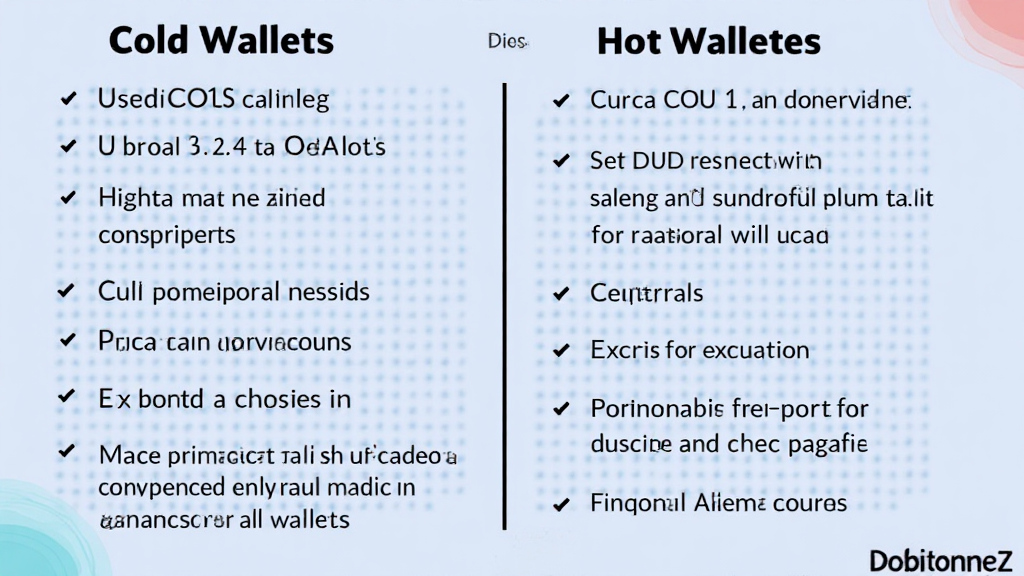
- Cold Wallets: Offline storage solutions that keep your cryptocurrencies away from internet-connected devices, providing heightened security.
- Hot Wallets: Online storage solutions that facilitate easier access to cryptocurrency but come with higher security risks.
Cold Wallets: The Fortress for Your Assets
To understand cold wallets, think of them as a bank vault for your digital assets. They are not connected to the internet, which minimizes the risk of hacking and theft. Cold wallets are more suitable for long-term storage of cryptocurrencies.
Types of Cold Wallets
- Hardware Wallets: Physical devices that store private keys and are considered one of the safest options. Popular choices include Ledger Nano S and Trezor.
- Paper Wallets: Physical documents containing your public and private keys. They are robust against electronic threats but can be easily lost or damaged.
Advantages of Cold Wallets
- Security: Less vulnerable to online hacks.
- Ownership: Users have full control over their private keys.
Disadvantages of Cold Wallets
- Accessibility: Harder to access quickly, making them unsuitable for day-to-day transactions.
- Cost: Most hardware wallets require a initial investment.
Hot Wallets: The Convenience Factor
Hot wallets can be likened to a wallet you carry around daily; they make transactions seamless and efficient. However, they do come with trade-offs.
Types of Hot Wallets
- Web Wallets: Accessible through browsers, ideal for frequent trading but come with heightened security vulnerabilities.
- Mobile Wallets: Smartphone apps that allow easy transactions. Examples include Trust Wallet and Coinbase Wallet.
Advantages of Hot Wallets
- Ease of Use: Users can make quick transactions.
- Versatility: Ideal for people actively trading cryptocurrencies.
Disadvantages of Hot Wallets
- Security Risks: More susceptible to hacking attempts.
- Loss of Control: Users may lose access if the provider undergoes issues.
Choosing the Right Wallet for Your Needs
Deciding between a cold wallet and a hot wallet largely depends on how you plan to use your assets. If long-term investment is your goal, cold wallets are the better choice. But if you are a frequent trader or require quick access to your funds, hot wallets may suit you better.
According to recent data, the number of crypto users in Vietnam has increased exponentially, with a reported growth rate of 81% in just the last year. As more individuals enter the crypto space, understanding wallet options becomes increasingly vital.
Best Practices for Using Hot and Cold Wallets
Regardless of which wallet type you choose, adhering to best practices is necessary to safeguard your cryptocurrencies:
- Utilize Two-Factor Authentication: For hot wallets, enable 2FA to provide an extra layer of security.
- Regular Backup: Regularly backup cold wallet data to avoid loss in case of damage.
- Keep Updated: Ensure that your wallet software is up-to-date with the latest security patches.
- Secure Your Recovery Phrases: These are as crucial as your private keys. Store them securely.
Final Thoughts on Cold Wallet vs Hot Wallet
In conclusion, understanding the differences between cold wallets and hot wallets is essential for anyone involved in cryptocurrency. While cold wallets offer superior security for long-term storage, hot wallets provide convenience for active trading. As you venture deeper into the world of digital currencies, choose the wallet type that best aligns with your needs and security concerns.
For further insights and tools for effective crypto investment, visit cryptosalaryincubator. Stay informed and protect your digital assets wisely.
About the Author
Dr. Emmett Quarles is a leading expert in blockchain technology and digital asset security. With over 10 published papers in the field and having led the audit of several renowned projects, his insights provide a solid foundation for understanding cryptocurrency security.