

ASEAN Crypto Regulations: Navigating the Future of Digital Assets
As the world of cryptocurrencies continues to expand rapidly, regulatory bodies across the globe are scrambling to establish frameworks that can effectively govern these decentralized assets. In Southeast Asia, known as the ASEAN (Association of Southeast Asian Nations) region, the landscape is particularly dynamic. With a $4.1 billion loss from DeFi hacks in 2024 alone, understanding ASEAN crypto regulations has become increasingly vital for crypto platforms and investors alike. This article delves deep into the current state of crypto regulations in ASEAN, practical compliance strategies, and the future outlook for digital assets in this vibrant region.
The Current State of ASEAN Crypto Regulations
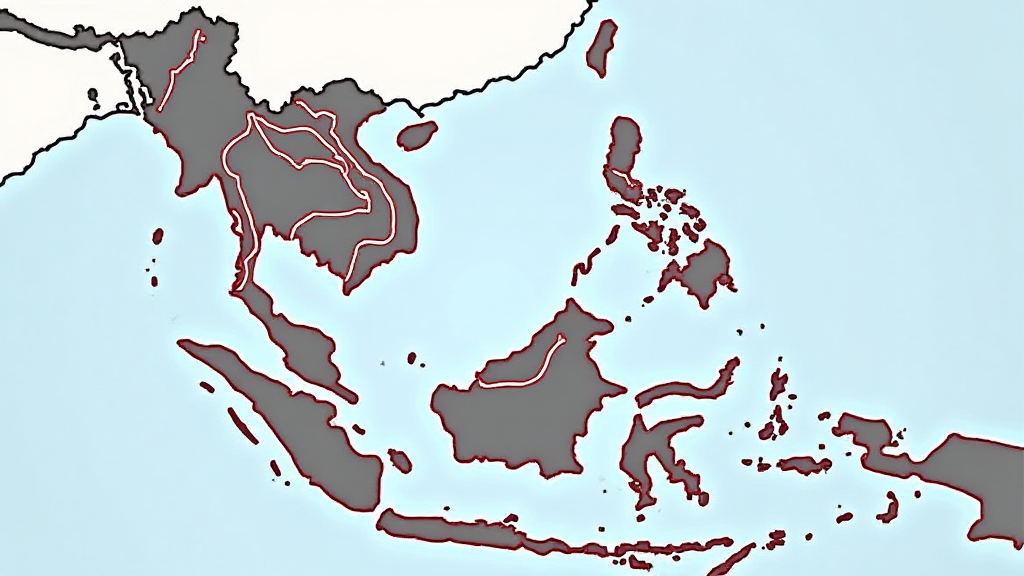
Various countries within ASEAN are approaching crypto regulations differently, making the compliance landscape complex. For instance, while Singapore has emerged as a crypto-friendly hub with clear guidelines, nations like Indonesia and Vietnam are still formulating their policies.
- Singapore: With its Payment Services Act, Singapore has established a robust regulatory framework that encourages innovation while protecting consumers.
- Indonesia: Indonesia has a more cautious approach. In 2021, the government prohibited crypto transactions as a currency but allows trading as digital commodities.
- Vietnam: Recent trends show a surge in Vietnam’s crypto users up to 17 million, indicating strong public interest but also the necessity for regulatory clarity.
The Malaysian Perspective
Malaysia has positioned itself with a balanced outlook. The Securities Commission Malaysia (SC) regulates digital assets under the Capital Markets and Services Act but is also assessing further forms of regulation to protect investors.
Prospective Trends in ASEAN Crypto Regulations
The regulatory landscape in ASEAN is likely to evolve significantly over the next few years. With increasing collaboration between member states and growing awareness among consumers, several trends can be anticipated:
- Harmonization of Regulations: To facilitate easier cross-border transactions, ASEAN countries may push towards harmonized regulations.
- Enhanced Consumer Protection: Expect to see more stringent rules aimed at protecting investors from scams and fraud.
- Focus on Tax Compliance: Cryptocurrencies will likely be subjected to clearer tax regulations, particularly in Vietnam where authorities are developing a crypto taxation framework.
Compliance Strategies for Crypto Platforms
For crypto platforms operating in ASEAN, adhering to local regulations is essential. Here’s a breakdown of effective compliance strategies that can be implemented:
- Regular Compliance Audits: Conducting frequent audits can help identify potential regulatory gaps early.
- Staff Training: Educate your team about local legislation to ensure regulatory compliance.
- Engage with Authorities: Build relationships with local regulatory bodies to stay informed on regulatory changes.
The Role of Blockchain Security Standards in Regulation
With the increasing risks associated with hacks in the crypto space, understanding tiêu chuẩn an ninh blockchain (blockchain security standards) becomes crucial. These standards not only protect user assets but also build trust in the platform.
- Implement Best Security Practices: Use multi-signature wallets to enhance asset safety and reduce hack risk.
- Regularly Update Protocols: Staying current with blockchain security updates can mitigate vulnerability risks.
- Utilize Security Auditing Tools: Tools like Ledger Nano X can reduce hack risk by over 70%.
The Future Outlook for ASEAN Crypto Regulations
As we look toward the future, one cannot overlook the rapid acceleration of crypto adoption in the ASEAN region. This necessitates regulatory bodies to act responsively and responsibly. Monitoring recent trends, we anticipate:
- Increased Investment in Fintech: Investments in regional fintech sectors can be expected to grow as regulations catch up with technology.
- Community Engagement: Regulators may engage more with the community for better insights, ensuring that regulations serve the public interest.
- Global Influences: Insights from regulations in Europe and the US will likely influence ASEAN trends.
In conclusion, navigating the complex landscape of ASEAN crypto regulations is essential for anyone involved in the crypto space. The ongoing changes present challenges but equally abundant opportunities for growth and innovation. As highlighted, maintaining compliance and prioritizing security will play a pivotal role in any successful digital asset strategy.
As we venture toward a digitally integrated future, understanding local nuances and fostering compliance becomes paramount for the long-term sustainability of crypto in ASEAN.
For deeper insights into crypto compliance, visit hibt.com.
Author: Dr. An Nguyen, a blockchain policy expert with over 15 published papers in digital asset regulation and a lead auditor on major blockchain projects.