
Understanding Privacy Coins in Vietnam: Regulatory Landscape and Future Trends
As the global cryptocurrency market evolves, privacy coins have emerged as a significant category that attracts both investors and regulators. In 2024, several countries reported a staggering $4.1 billion lost to hacks in decentralized finance (DeFi), prompting governments to address regulatory concerns regarding privacy coins. In Vietnam, the rise of digital asset investments and concerns about financial security have juxtaposed an urgent need for clarity in regulations governing privacy coins. This article aims to explore the regulatory landscape surrounding privacy coins in Vietnam and discuss how regulations could evolve through 2025.
What are Privacy Coins?
Privacy coins are cryptocurrencies designed to keep transactions confidential and protect the identities of users. Unlike Bitcoin, which can be traced on the blockchain, privacy coins such as Monero and Zcash utilize sophisticated cryptographic techniques to secure transaction details.
- Privacy coins can obfuscate sender and receiver addresses.
- They use advanced algorithms to hide transaction amounts.
- Regulatory bodies closely monitor these assets to prevent illegal activities.
The Current State of Cryptocurrency Regulations in Vietnam
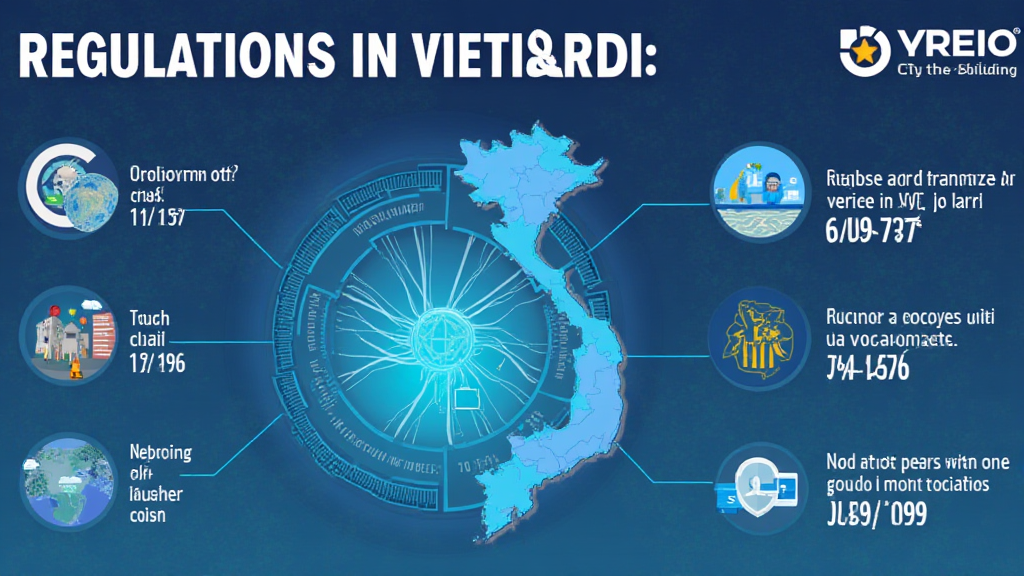
In Vietnam, the legal status of cryptocurrencies remains a gray area. While the central bank has banned the use of cryptocurrencies for payments, trading is legal. The Vietnam Ministry of Finance has proposed a regulatory framework to govern the use of digital assets, expecting it to be implemented soon.
Key Regulations Affecting Privacy Coins
- Anti-Money Laundering (AML): Vietnam’s authorities have implemented strict AML regulations, which significantly impact privacy coins due to their anonymous nature.
- Securities Law: The country is considering categorizing certain cryptocurrencies as securities, which could introduce new compliance obligations for privacy coin projects.
According to a report from Statista, the number of cryptocurrency users in Vietnam has been growing at a remarkable pace, with over 5 million users as of early 2024. This surge puts additional pressure on regulators to establish comprehensive policies regarding digital assets, particularly privacy coins.
Potential Benefits and Risks of Privacy Coins in Vietnam
Privacy coins offer several advantages, including protection against fraud and enhanced user privacy. However, the anonymity they provide poses challenges for law enforcement and may facilitate illicit activities.
Advantages of Privacy Coins
- User Anonymity: Individuals using privacy coins enjoy greater privacy compared to traditional financial systems.
- Financial Inclusion: Privacy coins can empower users in underserved regions, providing a means to transact without relying on centralized institutions.
Risks to Consider
- Regulatory Scrutiny: Increased regulation could limit the use of privacy coins and may result in penalties for non-compliance.
- Market Volatility: Privacy coins can experience more price volatility compared to other cryptocurrencies, potentially deterring investors.
Future Trends in Privacy Coin Regulation
What does the future hold for privacy coins in Vietnam? As we head toward 2025, several trends may shape the regulatory landscape.
Increased Regulatory Clarity
With rising interest in cryptocurrencies, we can expect Vietnamese authorities to refine their regulatory frameworks, providing clearer guidelines for the use of privacy coins. As one Vietnamese regulator stated, “Our goal is to foster innovation while ensuring adequate protections against financial crimes.”
Collaboration with Global Regulators
Vietnamese regulators are likely to engage in discussions with their international counterparts. This collaboration could facilitate knowledge sharing and harmonize standards across borders.
Final Thoughts: Navigating the Privacy Coin Landscape in Vietnam
As Vietnam’s cryptocurrency ecosystem expands, privacy coins will undoubtedly play a pivotal role. For investors and users, understanding the regulatory environment surrounding these coins is essential for navigating potential risks and opportunities.
To sum up, while privacy coins offer advanced security features, they also present challenges in regulatory compliance. The Vietnamese market’s rapid growth necessitates that regulators and users alike remain vigilant and informed about future developments.
To stay up-to-date with regulations affecting digital assets, including privacy coins, consider regularly checking resources like hibt.com. As Vietnam continues to develop its regulatory framework, being informed can greatly enhance your investment strategy.
Expert Author: Dr. Nguyen Van An, a leading researcher in the field of cryptocurrency and finance, has published over 15 papers on blockchain technology and is known for his role in auditing major crypto projects across Southeast Asia.