
Introduction: Navigating NFT Copyright Issues
In recent years, NFTs have revolutionized digital ownership, creating a buzz in the art world and beyond. But with great innovation comes significant challenges, particularly concerning copyright rights. In 2022 alone, approximately $4.1 billion was lost due to copyright infringement in the digital space, spotlighting the critical need for clear guidance on NFT copyright issues. This article will explore these issues, helping artists, collectors, and enthusiasts better understand their rights and responsibilities.
What Are NFTs and Why Do Copyright Issues Matter?
NFTs, or non-fungible tokens, are unique digital assets that represent ownership of a specific item or piece of content, typically secured by blockchain technology. Unlike cryptocurrencies, each NFT is unique and cannot be replaced or exchanged on a one-to-one basis. This uniqueness is what drives their value, particularly in art, music, and gaming sectors.
However, as NFTs explode in popularity, it is essential to unravel the complexities of copyright issues surrounding them. For instance, how can an artist protect their copyrighted work when it is minted as an NFT? Let’s dive deeper.
1. Understanding Copyright in the Context of NFTs
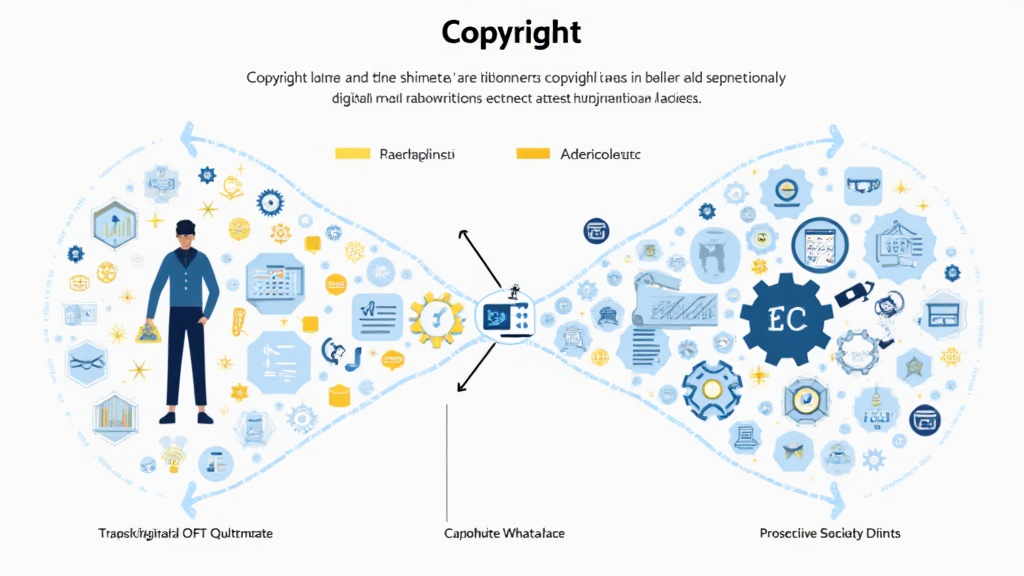
Copyright is a legal mechanism that provides creators with exclusive rights over their original works. When it comes to NFTs, understanding what copyright entails is crucial.
- Ownership vs. Copyright: Purchasing an NFT does not automatically grant copyright ownership. Only the creator retains copyright unless explicitly transferred.
- License Agreements: Often, the rights and restrictions regarding an NFT are governed by licensing agreements. Creators should clearly label these when minting within marketplaces.
- Infringement Risks: Artists may face copyright infringement if someone else mints their work as an NFT without permission. Legal precedents are still being set in this evolving landscape.
Understanding these distinctions is vital for both creators and buyers to navigate potential copyright issues successfully.
2. The Role of Licensing in NFT Copyright Management
Licensing is a critical component in securing copyright protection for NFTs. Let’s break it down:
- Types of Licenses: Various licenses can dictate how NFTs are used, including exclusive, non-exclusive, or sublicenses.
- Smart Contracts: Smart contracts can automate licensing agreements, ensuring that artists receive benefits whenever their work is sold or resold.
- Clear Communication: For both parties involved, clear communication in NFT descriptions is essential to outline copyright ownership and usage rights.
By implementing robust licensing systems, creators can better manage their rights and streamline future transactions.
3. Case Studies: Real-World Examples of NFT Copyright Issues
Examining real-world cases allows us to understand the stakes involved in NFT copyright issues:
- Misappropriation Example: In 2021, an artist discovered that their artwork was minted as an NFT by another individual. Despite legal action, the lack of clarity surrounding ownership led to a drawn-out dispute.
- Marketplace Responses: Platforms like OpenSea have implemented verification processes to combat copyright infringement, yet the nuances persist.
- Industry Developments: As discussions around transparency, copyright, and ethical art continue, new regulations are emerging to better protect creators.
These cases underline the importance of understanding NFT copyright issues thoroughly to protect one’s work and interests.
4. Navigating the Legal Landscape of NFTs in Vietnam
As Vietnam experiences rapid growth in digital asset interest, understanding local laws is paramount. The Vietnam Ministry of Information and Communications has begun to outline regulations for blockchain technology and non-fungible tokens.
In particular, the growth rate of Vietnamese users in the NFT market has outpaced global averages, prompting governments and industry leaders to examine copyright laws more closely. Here are some considerations:
- Regulatory Framework: The legal framework surrounding NFTs is still developing, and users should stay updated with regulations to ensure compliance.
- Ownership Rights: Artists minting NFTs within Vietnam should understand local intellectual property rights that govern their work.
- Culture and Copyright: The rich cultural heritage in Vietnam presents both opportunities and challenges for NFT development; understanding copyright in this context is essential.
The rise of NFTs in Vietnam illustrates the need for clarity in copyright issues and the engagement of local laws to protect creators.
5. Best Practices for Protecting Your Copyright as an NFT Creator
Protection of copyright is an ongoing effort that requires due diligence. Here’s how creators can safeguard their rights:
- Document Your Work: Keep detailed records of your creations, including initial drafts and development notes.
- Use Watermarks: Adding watermarks to digital files can deter unauthorized use.
- Mint on Reputable Platforms: Consider minting NFTs on platforms that have clear copyright policies and user verification systems.
- Consult Legal Experts: Engaging with intellectual property lawyers who understand NFTs can provide tailored advice.
By following these best practices, NFT creators can fortify their protection against copyright infringements.
Conclusion: The Future of NFTs and Copyright Issues
As the NFT space continues to evolve, so will the complexities of copyright. Staying informed, understanding the relevant laws, and engaging in best practices are vital to navigating the landscape successfully. The intersection of technology and art creates exciting opportunities, but the responsibility lies with creators to safeguard their rights. As we move forward, evolving regulations will continue to redefine how we think about ownership in the digital age.
For those interested in the vast potential of NFTs, including the compliance aspects of engaging with digital assets, platforms like cryptosalaryincubator can provide valuable insights and resources.
For further reading, explore our guidelines on Vietnam crypto tax to stay compliant and informed in this dynamic environment.