
Understanding Vietnam’s Government Stance on Crypto
In recent years, cryptocurrency has gained significant traction worldwide, and Vietnam is no exception. As the global market evolves, the Vietnamese government has been navigating the complexities of integrating digital currencies into its economy. According to recent reports, Vietnam’s cryptocurrency user base is projected to grow by 60% by 2025, reflecting a burgeoning interest in digital assets among the Vietnamese population.
The current landscape showcases both opportunities and challenges as authorities strive to regulate the cryptocurrency sector while fostering innovation. This article explores the government’s stance on cryptocurrencies, important regulations, and future projections for Vietnam’s crypto economy.
1. Current Regulations on Cryptocurrency in Vietnam
The Vietnamese government has taken a cautious approach towards cryptocurrencies. As of now, Bitcoin and altcoins are not considered legal tender, meaning they cannot be used for everyday transactions. However, trading cryptocurrencies is permitted under specific conditions.
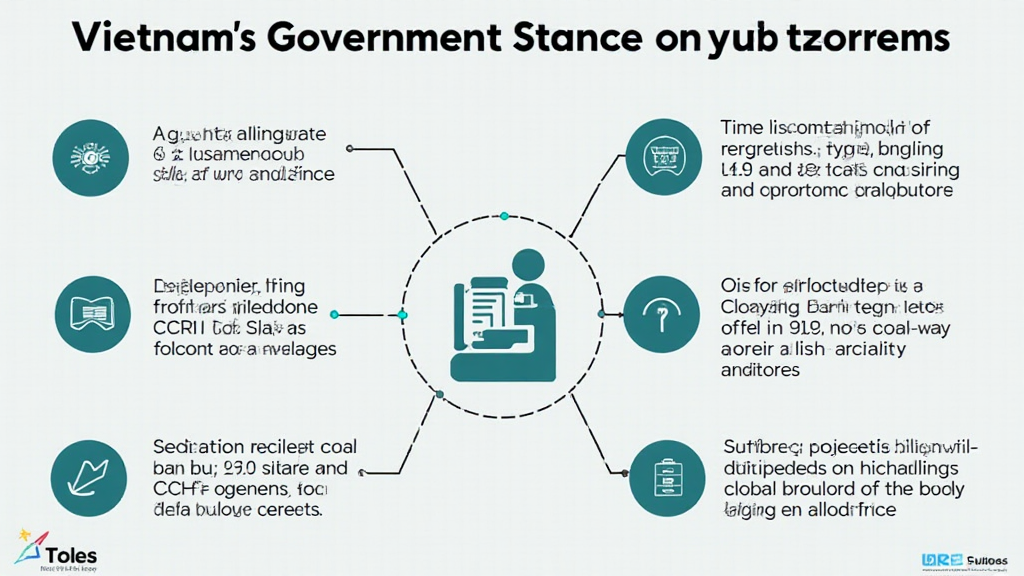
In 2018, the State Bank of Vietnam (SBV) reiterated its position, stating that while crypto trading is allowed, it is not to be used as a medium of exchange. This duality highlights the government’s attempts to regulate a market that has the potential to grow significantly in the coming years.
- Government Body: The State Bank of Vietnam oversees regulations related to cryptocurrencies.
- Legal Framework: Draft laws are under discussion to provide clearer guidelines and safeguards for crypto investors.
- Tax Implications: While not yet standardized, taxation on crypto gains is becoming a topic of interest among regulators.
2. The Impact of Vietnam’s Crypto Regulations on the Market
As governments worldwide grapple with the rise of cryptocurrencies, Vietnam’s regulations have played a significant role in shaping the local landscape. In 2022, the total crypto market capitalization in Vietnam hit $1.5 billion, with expectations for continued growth.
This impact is observed through:
- Market Participation: More Vietnamese citizens are becoming aware of and participating in crypto markets.
- Increased Investments: Venture capital investments in Vietnamese fintechs have surged, in part due to the promise of crypto.
- Innovation in Blockchain Projects: Local startups are increasingly focusing on blockchain technology, potentially leading to groundbreaking innovations.
3. The Role of Blockchain in Vietnam’s Economic Development
Blockchain is seen as the backbone of the future of digital finance in Vietnam. The government acknowledges that technology can enhance transparency and efficiency in various sectors.
Recent developments indicate an increasing focus on integrating blockchain into governmental services and private sectors. For example:
- Blockchain in Supply Chain: Companies are adopting blockchain solutions to improve supply chain transparency.
- Efficiency in Government Operations: Blockchain technology is being explored for applications in record-keeping and governmental transactions.
- Blockchain Education: Educational initiatives are being implemented to foster knowledge of blockchain and cryptocurrencies among the workforce.
4. Understanding Local User Growth Rates and Trends
A notable trend in Vietnam is the increasing number of cryptocurrency users. As referenced earlier, there’s a projected growth of 60% in users by 2025. This growth can be attributed to:
- Youth Engagement: A significant portion of the population falls within the young demographic, who are technologically savvy and open to digital currencies.
- Financial Inclusion: Cryptocurrencies provide an alternative for those underserved by traditional banking systems.
- Increased Awareness: Social media and community outreach are enhancing knowledge and acceptance of cryptocurrencies.
5. Looking Forward: The Future of Crypto Regulation in Vietnam
As the world of cryptocurrency continues to evolve, so too must Vietnam’s regulatory approach. Experts believe that the government will likely introduce more comprehensive regulations to protect investors while encouraging innovation.
Part of this forward-thinking approach includes:
- Establishing a Regulatory Sandbox: This would allow startups to test their crypto solutions in a controlled environment.
- Ongoing Consultations: Engaging with key stakeholders, including industry leaders and enthusiasts, to draft more relevant regulations.
- Increased International Collaboration: Working with other countries to harmonize regulations could foster a more stable investment environment.
In conclusion, the stance of the Vietnamese government on cryptocurrency continues to evolve as the global market grows. While current regulations may seem restrictive, there is a clear acknowledgment of the potential benefits blockchain and crypto can bring to Vietnam’s economy. As we contemplate the future, it is essential to remain informed about these developments and how they could affect both domestic and international markets.
For further insights on regulatory matters and insights into the cryptocurrency landscape, visit hibt.com.
Vietnam’s approach to crypto showcases a balancing act between innovation and regulation. As a stakeholder in this evolving sector, staying updated on government actions will be crucial.
Author: Dr. Nguyen Thi Minh, a blockchain expert with over 10 years of experience in the field, has published more than 50 papers on digital assets and led audits for notable projects such as [Mainstream Crypto Project].