
Crypto Portfolio Rebalancing: Mastering Your Digital Assets
As cryptocurrencies continue to gain traction worldwide, securing and optimizing your digital investments becomes paramount. In 2023, research indicated that over $3 billion had been lost to crypto hacks, making it crucial to understand effective portfolio management strategies such as crypto portfolio rebalancing.
In Vietnam alone, the growth rate of cryptocurrency users has surged by 25% annually. This highlights a significant interest in digital assets and the need for robust security measures in handling these assets.
This article delves into crypto portfolio rebalancing, its significance, and how to effectively implement it to protect your investments.

Understanding Crypto Portfolio Rebalancing
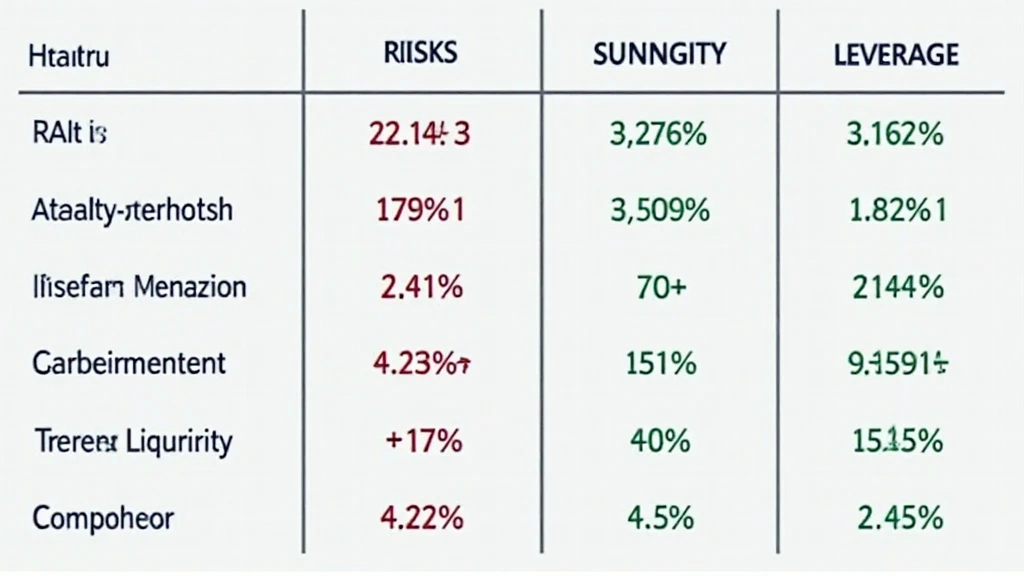
To put it simply, crypto portfolio rebalancing refers to the process of realigning the weightings of your portfolio’s assets to maintain your desired risk level. Over time, the market fluctuates, leading to a shift in the proportion of different cryptocurrencies within your portfolio. Here’s how you can visualize it:
- Imagine your portfolio as a garden where certain plants grow faster than others. Just as you would trim your plants to maintain balance, portfolio rebalancing aims to keep your assets in check.
- Out of a 100% allocation, you might decide on 60% Bitcoin, 30% Ethereum, and 10% altcoins.
- Market changes can lead to Bitcoin representing 70% of your portfolio. Rebalancing helps sell some Bitcoin and invest in under-represented assets to return to your original allocation.
Why is Rebalancing Important?
Rebalancing serves multiple purposes:
- Risk Management: Keeping your portfolio aligned with your risk tolerance ensures that you are not overexposed to any single asset.
- Staying Disciplined: Rebalancing compels you to maintain a strategy rather than reacting to market trends.
- Maximizing Gains: It capitalizes on the principle of ‘buy low, sell high’ by ensuring that you sell off assets that have appreciated significantly.
How to Rebalance Your Crypto Portfolio
Here are essential steps to effectively execute crypto portfolio rebalancing:
- Assess Your Current Situation: Review the portfolio’s current allocations compared to your target allocation.
- Set a Rebalancing Schedule: Decide whether you want to rebalance monthly, quarterly, or semi-annually.
- Analyze Market Conditions: Utilize analytical tools and resources to understand the current market and project future trends.
- Adjust Accordingly: Buy or sell cryptocurrencies to align with your established strategy.
Common Mistakes to Avoid
- Neglecting Tax Implications: Ensure compliance with local tax regulations, especially in Vietnam, where the government is closely watching crypto transactions.
- Being Overly Reactive: Avoid making impulsive decisions based on market volatility. Stick with your analysis.
- Ignoring Fees: Be mindful of transaction fees during rebalancing, as they can eat into your profits.
Real-World Examples of Effective Rebalancing
Studies have shown that portfolios regularly balanced outperform those that are not. A notable example is the rebalancing strategy employed by the CryptoInvestment Group, which found consistent returns of up to 15% annually by maintaining their targeted allocations.
Tools for Portfolio Rebalancing
Numerous tools can assist in the rebalancing process:
- Portfolio Tracking Apps: Tools like hibt.com can help monitor your crypto investments and provide guidance on when to rebalance.
- Automated Solutions: Automated robo-advisors can handle rebalancing for you, removing emotional decision-making.
- Analytics Platforms: Platforms offering insights into market trends can help inform your decisions.
Conclusion
In the ever-evolving world of cryptocurrencies, maintaining a well-balanced portfolio is key to long-term success. By embracing crypto portfolio rebalancing strategies, investors can better protect their assets against market volatility while optimizing their returns. To sum it up, think of rebalancing as regular maintenance on your car; it keeps everything running smoothly and efficiently.
By implementing the strategies outlined in this article and utilizing available tools for optimal asset management, you can navigate the unpredictable waters of cryptocurrency investment with confidence. Don’t overlook the importance of adapting to market conditions while remaining disciplined in your approach.
At cryptosalaryincubator, we provide resources and assistance to help guide your digital asset journey.
Author: Dr. Anna Tran, a blockchain security expert with over 20 publications and experience auditing notable DeFi projects globally.