
Stablecoins Explained: The Future of Digital Currency
With over $4.1B lost to DeFi hacks in 2024, understanding the mechanisms behind stablecoins has never been more crucial. Some view stablecoins as the bridge between volatile cryptocurrencies and the traditional financial system.
In this article, we’ll explore the concept of stablecoins, their types, the technology behind them, and their potential impact on the Vietnamese market.
What Are Stablecoins?
Stablecoins are cryptocurrencies designed to maintain a stable value relative to a fiat currency or a basket of goods. Unlike traditional cryptocurrencies that experience significant price fluctuations, stablecoins aim to provide a reliable medium of exchange.
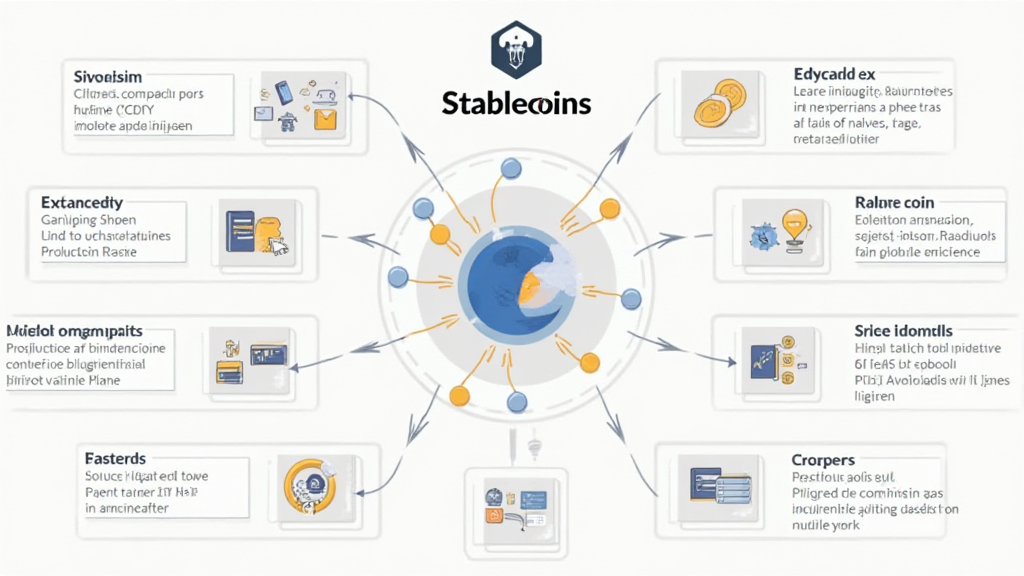
- Types of Stablecoins:
- Fiat-collateralized: These are backed by traditional currency, typically held in reserve. Examples include USDT (Tether) and USDC.
- Crypto-collateralized: These are backed by cryptocurrencies, often over-collateralized to absorb volatility. DAI is a prime example.
- Algorithmic: These are not backed by any collateral but use algorithms to manage supply and demand. Examples include TerraUSD.
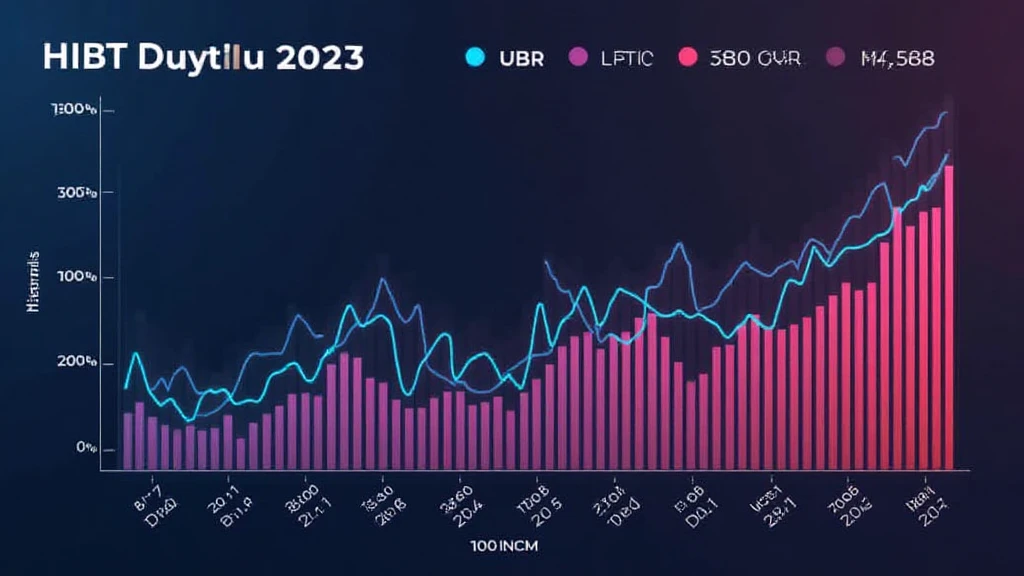
In Vietnam, the adoption rate for cryptocurrencies, including stablecoins, is increasing significantly. According to recent reports, approximately 5 million Vietnamese are involved in cryptocurrency, denoting a growth rate of around 15% year-on-year.
The Mechanism Behind Stablecoins
Stablecoins utilize various mechanisms for achieving price stability. Let’s break it down in simpler terms.
- Collateralization: Fiat-collateralized stablecoins maintain liquidity by holding reserves in bank accounts. This means every token issued is backed by an equivalent amount held in a bank.
- Smart Contracts: For crypto-collateralized stablecoins, smart contracts manage and automate the backing and redemption process, ensuring that users can trade tokens without high volatility.
- Market Dynamics: Algorithmic stablecoins manipulate the supply based on current demand. If demand exceeds supply, the system automatically increases supply to stabilize prices.
Real-Life Applications of Stablecoins
Like a bank vault for digital assets, stablecoins serve multiple purposes within the crypto ecosystem.
- Transactions and Payments: Businesses can accept stablecoins for transactions, providing a stable medium of exchange.
- Hedging Against Volatility: Investors use stablecoins to move their assets during market turmoil, reducing risk.
- Cross-Border Transfers: Stablecoins facilitate faster and cheaper cross-border payments, essential for a globalized economy.
Challenges Facing Stablecoins
While the advantages of stablecoins are numerous, challenges exist as well:
- Regulatory Scrutiny: Governments are increasingly paying attention to how stablecoins are managed and issued, which could lead to more stringent regulations.
- Trust Issues: Users must trust that the issuer is maintaining adequate reserves.
- Liquidity Risks: In extreme market conditions, the liquidity of stablecoins can come into question, potentially impacting their value stability.
The Future of Stablecoins in Vietnam
Looking ahead, stablecoins appear to have a promising future in Vietnam’s growing crypto market.
- Growing User Base: With millions of users already utilizing cryptocurrencies, stablecoins are likely to see increased adoption in everyday transactions.
- Financial Inclusion: Stablecoins can provide underbanked populations with easier access to financial services.
- Integration with DeFi: Stablecoins play a crucial role in the DeFi space, serving as collateral or a means to earn interest.
This potential growth aligns with the government’s interest in regulating cryptocurrencies, paving the way for safe and productive use of stablecoins within the economy.
Conclusion
In conclusion, stablecoins represent a significant advancement in the cryptocurrency landscape, offering a viable solution for users seeking stability in a volatile market. As more individuals and businesses recognize the benefits of stablecoins, their adoption will likely rise, especially in emerging markets like Vietnam.
For more details, strategies, and updates on the cryptocurrency market, be sure to check out hibt.com. Also, check our internal article on Vietnam’s Crypto Tax Guide for compliance essentials.
Remember, this article is not financial advice. Always consult with local regulators before investing in cryptocurrencies.
Authored by Dr. Nguyễn Văn A, a recognized expert in blockchain technology with over 15 published papers and insights into significant auditing projects.